

Seiji Miyaguchi
Seiji Miyaguchi (宮口 精二 Miyaguchi Seiji, November 15, 1913–April 12, 1985) was a Japanese actor who appeared in such films as Akira Kurosawa's Seven Samurai (as Kyuzo, the master swordsman) despite the actor's confession to have never handled a sword before the role, Ikiru as a... Read full bio →
Featured Characters
Roles you can spot in Whatthemovie snapshots




Saraba Hakobune
A remote village has its own norms, rites and traditions. Sue and Sutechiki are a couple and cousins. Their sex life had been better: Sutechiki is impotent and Sue have a magical chastity belt. Themes such as time, memory, modernization and social conventions included in the story of Sue, Sutechiki, the village's mad women and rape gay men.

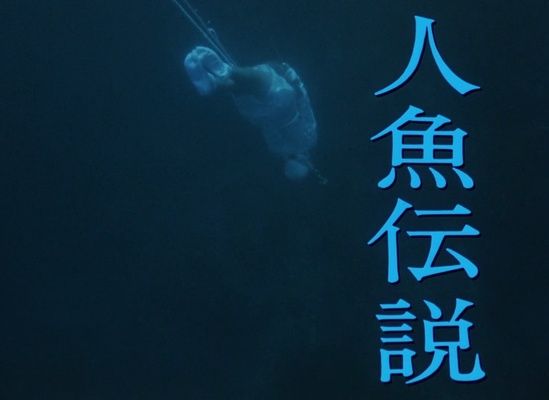
Ningyo densetsu
After a woman is framed for the murder of her fisherman husband, she seeks out a bloody revenge on the corrupt businessmen responsible.

Antonio Gaudí
The work of Catalan architect Antonio Gaudí, as seen by Japanese New Wave director Hiroshi Teshigahara.

The Challenge
A down-and-out American boxer becomes involved in a feud between two Japanese brothers.

Shogun
An English navigator becomes both a player and pawn in complex political games in feudal Japan.

Otoko wa tsurai yo: Shibamata bojo
While Sakura and Hiroshi struggle to save funds to build a house, Torajiro befriends three young women on vacation during his travels.

Nihon no ichiban nagai hi
Following the detonation of the atomic bombs on Hiroshima and Nagasaki, the Japanese military and the government clash over the demand from the Allies for unconditional surrender. Minister of the Army Anami leads the military officers who propose to fight on, even to the death of every Japanese citizen.

Ibun Sarutobi Sasuke
Years of warfare end in a Japan unified under the Tokugawa shogunate, and samurai spy Sasuke Sarutobi, tired of conflict, longs for peace. When a high-ranking spy named Tatewaki Koriyama defects from the shogun to a rival clan, however, the world of swordsmen is thrown into turmoil.

Les plus belles escroqueries du monde
Four swindle stories, taking place successively in Tokyo - Japan (Les cinq bienfaiteurs de Fumiko), Amsterdam - The Netherlands (La riviere de diamants), Italie (La feuille de route), and Paris - France (L'homme qui vendit la tour Eiffel).

Kawaita hana
A gangster gets released from prison and has to cope with the recent shifts of power between the gangs, while taking care of a thrill-seeking young woman, who got in bad company while gambling.

Kaidan
A classic collection of four Japanese Horror stories. Features "Black Hair", "The Woman in the Snow", "Hoichi the Earless" and "In a Cup of Tea"

Akai satsui
Sadako, cursed by generations before her and neglected by her common-law husband, falls prey to a brutal home intruder. But rather than become a victim, she forges a path to her own awakening.

Koto
In this Japanese drama, a dry goods merchant's daughter is surprised to discover that she has a twin sister. In rural Japan it was thought that twins bring bad luck, so the sister was abandoned at birth. Later her parents tell her that her sister was kidnapped.

Miyamoto Musashi: Hannyazaka no kettô
The remake of Yoshikawa's novel continues with the second installment in which Takezo, soon to be Miyamoto Musashi, emerges from the Himeji Castle after three years of intense contemplation and philosophical study and starting on his epic quest to complete his skill in the Way.

Karami-ai
A dying businessman intends to will ¥200 million to his three illegitimate children, but his associates scheme to take advantage of the situation.

Hakai
Ushimatsu's father told him never to reveal his lower-caste heritage; years later, he now contemplates confiding in an activist fighting against such discrimination.

Miyamoto Musashi
In this first episode, we are introduced to Takezo, what Musashi used to be before he became the man of legend. His beginning are not exactly auspicious. He sides with the Toyotomi at Sekigahara, and as a result finds himself on the losing side of the historic battle.

Warui yatsu hodo yoku nemuru
A young executive hunts down his father’s killer. Continuing his legendary collaboration with actor Toshiro Mifune, Kurosawa combines elements of Hamlet and American film noir to chilling effect in exposing the corrupt boardrooms of postwar corporate Japan.

Saikô shukun fujin
In the forties in Japan, a group of brilliantly qualified university students are selected to break all ties with their previous lives and form the Japanese spy service.

Ningen no jôken (I)
The Human Condition is a Japanese epic film trilogy made between 1959 and 1961. The trilogy follows the life of Kaji, a Japanese pacifist and socialist, as he tries to survive in the fascist and oppressive world of WWII-era Japan. No Greater Love (1959) opens with Kaji marrying his sweetheart Michiko despite his misgivings about the future.

Narayama bushikô
A kabuki theatre-inflected story about a poor village whose people have to be carried to a nearby mountain to die once they get old.

Harikomi
Two detectives begin a stakeout based on the slim chance of catching a murderer whom they suspect will try to reunite with an old flame.

Tôkyô boshoku
Two sisters find out the existence of their long-lost mother, but the younger cannot take the truth of being abandoned as a child.

Kuroi kawa
The story follows a university student who moves into an apartment building and becomes involved with a waitress. The landlord then attempts to evict the tenants and sell the building through illicit means.

Kumonosu-jô
Mikio and Washizu are the commanders of the 1st and 2nd Fortress under a local lord, who reigns in the Spiders' Web Castle. After defeating the lord's enemies in battle, they visit the fortress. Washizu, driven by his wife, conspires and murders the lord, becoming lord of the castle. But his evil deeds come back to haunt him.

Soshun
A young salaryman and his wife struggle within the confines of their passionless relationship while he embarks on an extramarital affair.

Nagareru
Otsuta is running the geisha house Tsuta in Tokyo. Her business is heavily in debt. Her daughter Katsuyo doesn't see any future in her mothers trade in the late days of Geisha. But Otsuta will not give up. This film portraits the day time life of geisha when not entertaining customers.

Shichinin no samurai
Seven Samurai is the masterpiece from Akira Kurosawa from 1954 in which a town hires an old samurai to protect their village. A mix of action, comedy, and social drama. This epic film is an intimate look into the powerful emotions of the characters and named the greatest film in Japanese cinema history.

Ikiru
Kanji Watanabe is a middle-aged man who has worked in the same monotonous bureaucratic position for decades. Learning he has cancer, he starts to look for the meaning of his life.

Bakushû
A family chooses a match for their 28-year-old daughter Noriko, but she surprisingly has her own plans.

Zoku Sugata Sanshirô
In this government-suggested sequel, Sugata again grows as a judo master, and demonstrates his (and by extension, all Japanese) superiority to the foreign warrior.