
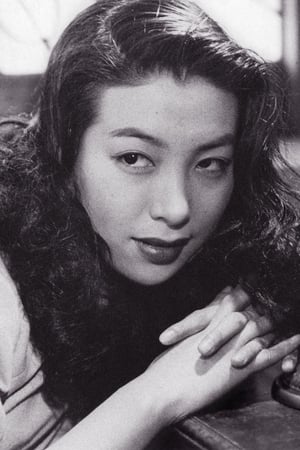
Michiyo Aratama
From Wikipedia, the free encyclopedia. Michiyo Aratama (新珠 三千代, Aratama Michiyo, 15 January 1930 – 17 March 2001) was a Japanese actress who appeared in leading and supporting roles in such films as Hiroshi Inagaki's Chushingura, Kihachi Okamoto's Samurai Assassin and... Read full bio →
Featured Characters
Roles you can spot in Whatthemovie snapshots


Otoko wa tsurai yo: Fûten no Tora
Traveling salesman Kuruma Torajirō falls in love with an inn manager as New Year's approaches.
Nihon no ichiban nagai hi
Following the detonation of the atomic bombs on Hiroshima and Nagasaki, the Japanese military and the government clash over the demand from the Allies for unconditional surrender. Minister of the Army Anami leads the military officers who propose to fight on, even to the death of every Japanese citizen.
Onna no naka ni iru tanin
Tashiro coincidentally meets his best friend Sugimoto in a bar very close to the apartment in which Sugimoto’s wayward wife is found dead. Although Tashiro is not a suspect in the police investigation, he is racked with guilt and confesses to his wife, Masako.
Dai-bosatsu tôge
Through his unconscionable actions against others, a sociopath samurai builds a trail of vendettas that follow him closely.
Samurai
Japan, 1860. The men of the Mito clan, victims of the Ansei purge, anxiously prowl around the Sakurada Gate of Edo Castle with the intention of assassinating Naosuke Ii of Hikone, tairō of the Tokugawa shogunate and responsible for their misfortune.
Kaidan
A classic collection of four Japanese Horror stories. Features "Black Hair", "The Woman in the Snow", "Hoichi the Earless" and "In a Cup of Tea"
Eburi manshi no yûga na seikatsu
A salaryman's drunken ravings in public attract the attention of journalists who coerce him into telling them his life's story.
Ningen no jôken (III)
The Japanese forces having been shattered, Kaji and some comrades embark on an epic journey on foot southward to where Kaji hopes to rejoin Michiko. After surviving many perils he is captured by the Red Army and subjected to treatment that echoes that meted out to the Chinese.
Kohayagawa-ke no aki
The Kohayakawa family is thrown into distress when childlike father Manbei takes up with his old mistress, in one of Ozu’s most deftly modulated blendings of comedy and tragedy.
Ningen no jôken (II)
As a conscript in war-time Japan's military, a pacifist struggles to maintain his determination to keep his ideals.
Ningen no jôken (I)
The Human Condition is a Japanese epic film trilogy made between 1959 and 1961. The trilogy follows the life of Kaji, a Japanese pacifist and socialist, as he tries to survive in the fascist and oppressive world of WWII-era Japan. No Greater Love (1959) opens with Kaji marrying his sweetheart Michiko despite his misgivings about the future.
Enjô
Learning of his family's collapse, acolyte Goichi, sent to study silently at the Temple of the Golden Pavilion, must endure acute psychological distress.
Suzaki Paradaisu: Akashingô
A couple stand indecisively on a bridge in Asakusa. Tsutae and Yoshiji have lost confidence and passion for their future as they get on the bus for Tsukishima and get off at Suzaki. Across the bridge they see the sign for Suzaki Paradise, a red-light district where Tsutae once worked as a prostitute.
Fûsen
Haruki Murakami is a successful family man and the head of a camera company. Unbeknownst to Murakami, his arrogant son oscillates between a mistress and a new lover who sings at a nightclub. When Murakami’s daughter befriends the mistress, the affair throws the family into turmoil.
Kokoro
In the dying months of the Meiji era, a sympathetic student befriends a married couple, but soon realizes they share a curiously strained relationship stemming from an unknown incident in their past.