Mikio Naruse
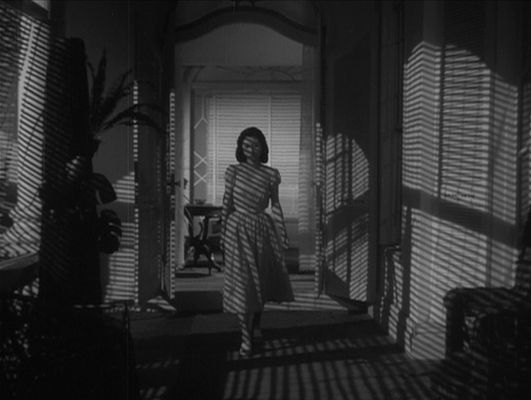
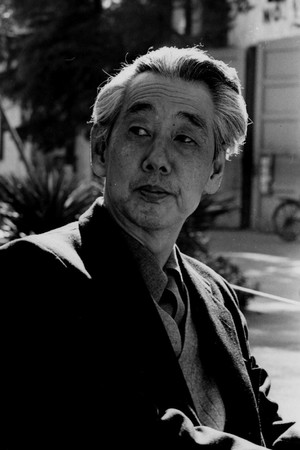
Mikio Naruse (August 20, 1905 – July 2, 1969) was a Japanese filmmaker, screenwriter, and producer who directed some 89 films spanning the period 1930 (towards the end of the silent period in Japan) to 1967. Naruse is known for imbuing his films with a bleak and pessimistic... Read full bio →
Midaregumo
A man falls in love with the widow of a man he killed in a car accident. Eventually she falls in love with him in return.
Onna no naka ni iru tanin
Tashiro coincidentally meets his best friend Sugimoto in a bar very close to the apartment in which Sugimoto’s wayward wife is found dead. Although Tashiro is not a suspect in the police investigation, he is racked with guilt and confesses to his wife, Masako.
Midareru
After a bombing raid destroys the family store and her husband, Reiko rebuilds and runs the shop out of love stopped short by destruction.
Hôrô-ki
Based on the life and career of novelist Fumiko Hayashi, she bitterly struggles for literary recognition in the first half of the 20th-century – her affairs with feckless men, the jobs she took to survive (peddler, waitress, bar maid), and her arduous, often humiliating attempts to get published in a male-dominated culture.
Tsuma to shite onna to shite
The real mother of the two children of a respectable university professor is not his wife, but his mistress, the hostess of a Ginza bar the family frequents.
Onna ga kaidan wo agaru toki
Keiko, whom everyone calls Mama, narrates her story: she's a hostess on the Ginza, 30, a widow. She describes life's vicious cycle: acting cheerful around drunks, dressing and living well to convey confidence, needing money for these expenses and for her demanding mother and brother, and knowing she's growing older.
Musume tsuma haha
Sanae is left a widow after her prestigious husband dies, but holds the proceeds of a million yen insurance policy. Being childless, her former in-laws have no objection to her return to her own family.
Iwashigumo
A war widow with a young boy manages a farm with her bossy mother-in-law. When a reporter comes to interview her, the two begin an affair. He turns out to be married and won't leave his wife.
Anzukko
Anzukko (Little Peach) is the daughter of a successful writer. She turns down each one of her suitors, until she marries a beginning writer named Ryokichi. Their life quickly sinks into despair.
Nagareru
Otsuta is running the geisha house Tsuta in Tokyo. Her business is heavily in debt. Her daughter Katsuyo doesn't see any future in her mothers trade in the late days of Geisha. But Otsuta will not give up. This film portraits the day time life of geisha when not entertaining customers.
Ukigumo
This film is based on flashbacks, which I'll ignore here for the sake of clarity. Married Japanese forester during WWII is sent to Indochina to manage forests. He meets a young Japanese typist and promises to leave his wife. He doesn't and after the war, she turns up and the affair resumes.
Yama no oto
Sound of the Mountain (Yama no oto) is a 1954 black and white Japanese film directed by Mikio Naruse. It is based on the novel The Sound of the Mountain.
Bangiku
What is the life of a Geisha like once her beauty has faded and she has retired? Kin has saved, and become a wealthy money-lender, spending her days coldly collecting debts. Even her best friends, fellow Geisha Tomi, Nobu, and Tamae, are now indebted to her.
Ani imôto
The eldest daughter of a rural family Mon returns home from Tokyo pregnant after an affair with a college student Kobata, which causes a scandal that will threaten the marriage prospects of the younger sister San, in her cash-strapped family.
Okaasan
A teenaged girl witnesses her widowed mother's attempt to sustain her family.
Inazuma
The story of Kiyoko, a young woman who has successfully managed to make a break with her dysfunctional family who have been trying to arrange a marriage for her with a disagreeable man whom she has rejected.
Meshi
Michiyo lives in the small place Osaka and is not happy with her marriage, all she does is cook and clean for her husband.
Haru no mezame
Slice of life film centered on a couple of years in the life of a rural high school girl.
Hideko no shashô-san
Okoma, a witty young woman working as a conductor in an old, rickety bus in Kōfu, Yamanashi (rural Japan), has a creative idea that could avert the dwindling number of passengers when her job and the bus company itself are at stake.
Tsuma yo bara no yô ni
Kimiko, a Tokyo white-collar working girl, lives with her serious, intellectual, haiku-writing mother. Kimiko seeks to marry her boyfriend but needs her absent father to act as the go-between and negotiate the marriage. Kimiko travels and finds her father living with a second family.

Kagirinaki hodo
Mikio Naruse’s final silent film is a gloriously rich portrait of a waitress, Sugiko, whose life, despite a host of male admirers and even some intrigued movie talent scouts, ends up taking a suffocatingly domestic turn after a wealthy businessman accidentally hits her with his car.
Yogoto no yume
In the formally ravishing Every-Night Dreams, set in the dockside neighborhoods of Tokyo, a single mother works tirelessly as a Ginza bar hostess to ensure a better life for her young son—until her long-lost husband returns.
Kimi to wakarete
An aging geisha, whose angry teenage son is ashamed of her profession, works alongside a young geisha, resentful of her family for forcing her into a life of ignominy.
Nasanunaka
In No Blood Relation, a gripping early example of Mikio Naruse’s cinematic boldness, featuring a screenplay by Ozu’s famed collaborator Kogo Noda, an actress returns to Tokyo after a successful stint in Hollywood to reclaim—with the help of her gangster brother—the daughter she abandoned years before.
Koshiben ganbare
A short concerning an impoverished insurance salesman and his scrappy son, whose fisticuffs with the other boys of their village put his father’s livelihood in jeopardy.