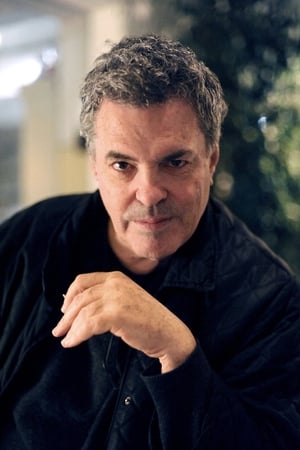
Amos Gitai
From Wikipedia, the free encyclopedia. Amos Gitai (born 11 October 1950 in Haifa, Israel) is an Israeli film director. Description above from the Wikipedia article Amos Gitai, licensed under CC-BY-SA, full list of contributors on Wikipedia.
Chacun son cinéma ou Ce petit coup au coeur quand la lumière s'éteint et que le film commence
A collective film of 33 shorts directed by different directors about their feeling about Cinema.
Free Zone
Rebecca, an American who has been living in Jerusalem for a few months now, has just broken off her engagement. She gets into a cab driven by Hanna, an Israeli. But Hanna is on her way to Jordan, to the Free Zone, to pick up a large of sum of money.
Kedma
In May 1948, shortly before the creation of the State of Israel, hundreds of immigrants from across Europe arrive in Palestine--only to risk arrest by British troops.
11'09''01 - September 11
11 directors show their view on the terrorist attacks on the world trade center in New York.
Kippur
The film takes place in 1973 during the Yom Kippur War in which Egypt and Syria launched attacks in Sinai and the Golan Heights. The story is told from the perspective of Israeli soldiers.
Yom Yom
In spite of blood ties to both Haifa's Jewish and Arab populations, Moshe leads a rootless existence.
Golem, le jardin pétrifié
Danny Cornish, a sort of stateless man who arranges art exhibits, is called from Tel Aviv to Paris with the news that a great uncle has died, in Birobidjan, the autonomous Jewish zone in Russia, leaving him a valuable art collection and the hand of a huge sculpture of a Golem.
Golem, the Spirit of Exile
An allegory of the Golem, a Jewish mythical creature personifying displacement and exile, this film tells the story of a woman (similar to the biblical Ruth) and her sisters, who are forced into exile after the death of their husbands.
Berlin-Yerushalaim
Two interconnected stories in the 1930s, one set in Berlin, the other in Palestine: Mania Vilbouchevich Shohat (1880-1961), called Tania, a Russian Jew and revolutionary, goes from Minsk to Palestine to live on a collective. She promotes feminism and laments a shift in the men from self-defense to aggression.