Decadent, subversive, and bristling with artistic invention, the myth-born cinema of Jean Cocteau disturbs as much as it charms. Cocteau was the most versatile of artists in prewar Paris.
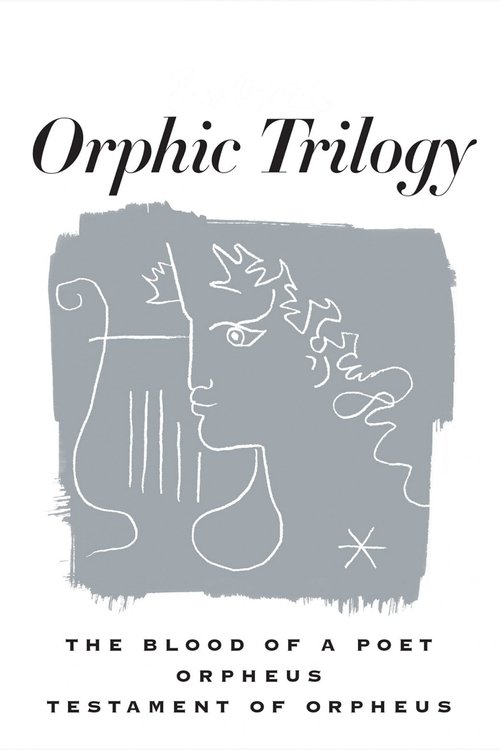
Decadent, subversive, and bristling with artistic invention, the myth-born cinema of Jean Cocteau disturbs as much as it charms. Cocteau was the most versatile of artists in prewar Paris. Poet, novelist, playwright, painter, celebrity, and maker of cinema—his many talents converged in bold, dreamlike films that continue to enthrall audiences around the world. In "The Blood of a Poet," "Orpheus," and "Testament of Orpheus," Cocteau utilizes the Orphic myth to explore the complex relationships between the artist and his creations, reality and the imagination.
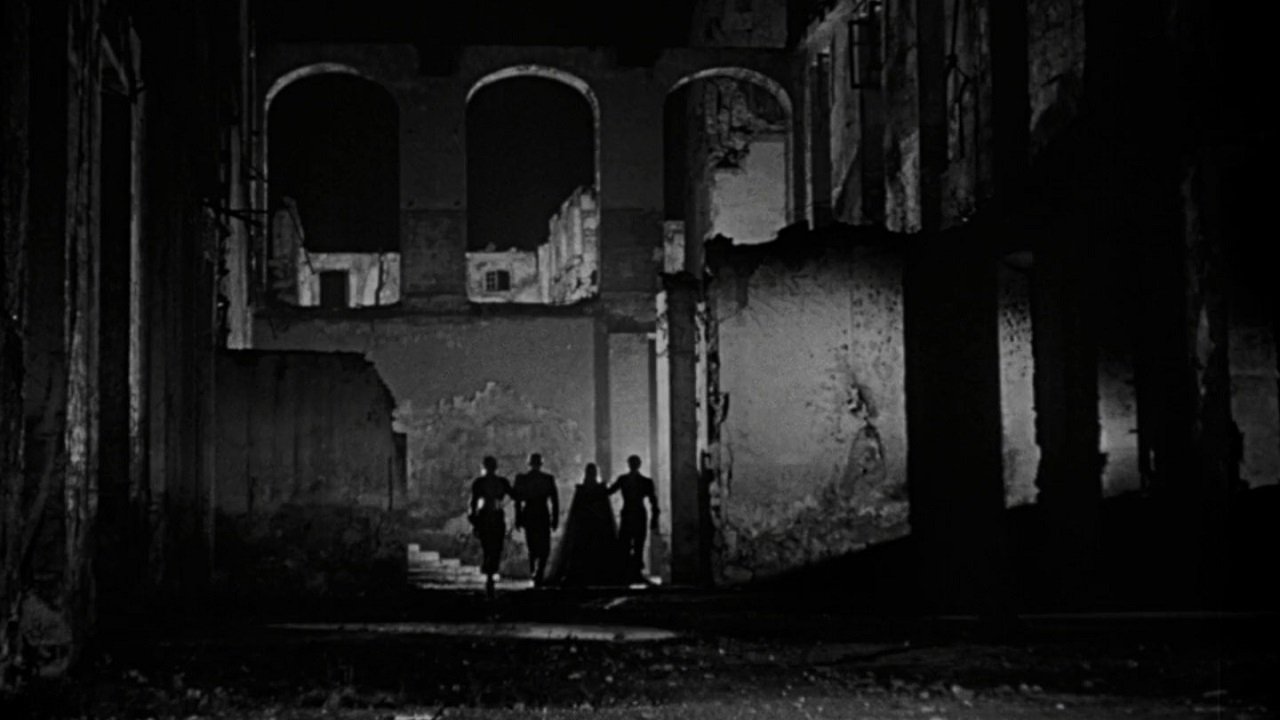
A famous poet in postwar Paris, scorned by the Left Bank youth, is in love with both his wife Eurydice and a mysterious princess. Seeking inspiration, the poet becomes obsessed and follows the princess from the world of the living to the land of the dead.
A famous poet in postwar Paris, scorned by the Left Bank youth, is in love with both his wife Eurydice and a mysterious princess. Seeking inspiration, the poet becomes obsessed and follows the princess from the world of the living to the land of the dead.
Outside time and reality, the experiences of a poet. The judgement of the young poet by Heurtebise and the Princess, the Gypsies, the palace of Pallas Athena, the spear of the Goddess which pierces the poet's heart, the temptation of the Sphinx, the flight of Oedipus and the final Assumption.
Outside time and reality, the experiences of a poet. The judgement of the young poet by Heurtebise and the Princess, the Gypsies, the palace of Pallas Athena, the spear of the Goddess which pierces the poet's heart, the temptation of the Sphinx, the flight of Oedipus and the final Assumption.