Sanrizuka Series

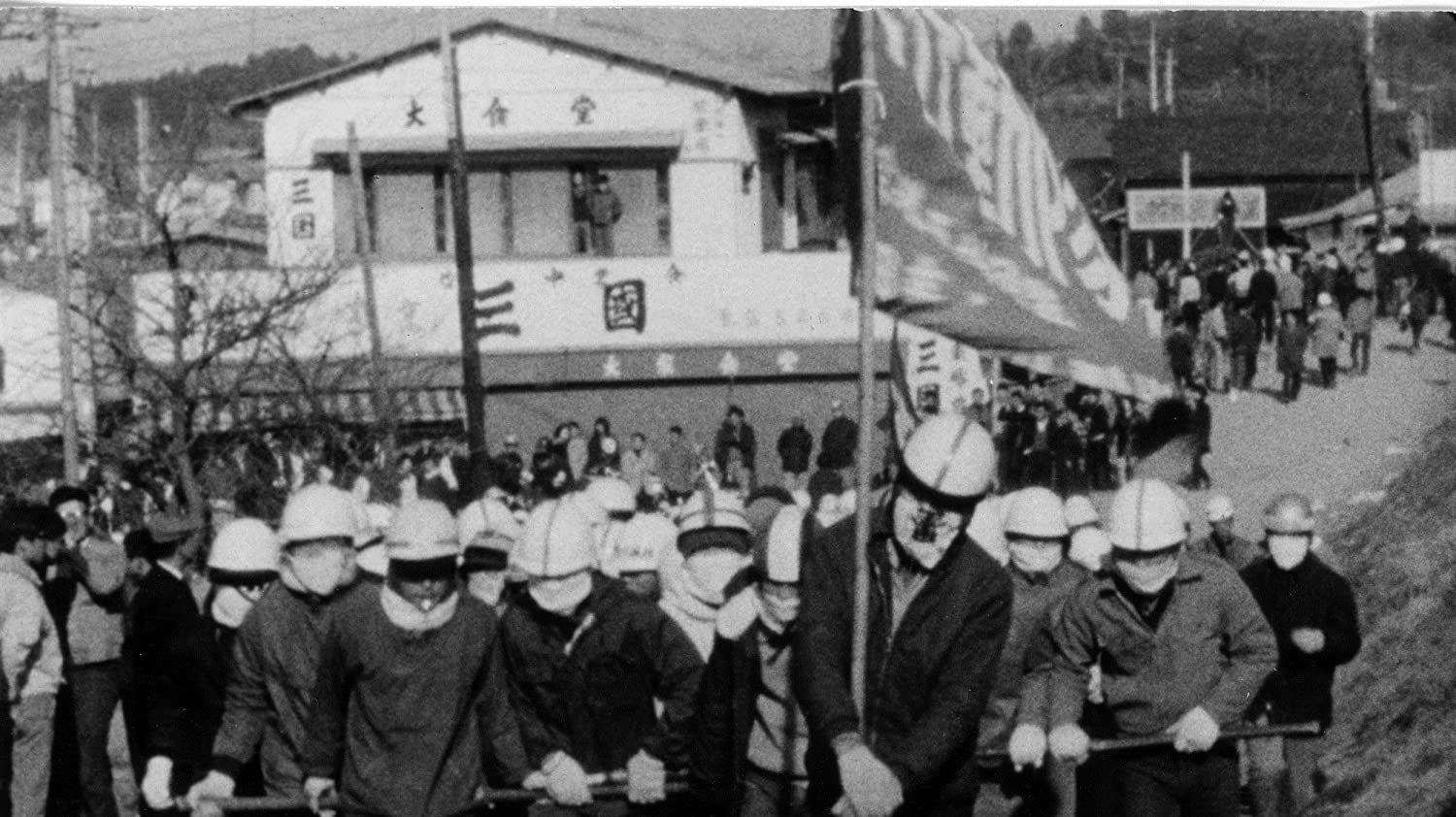
A series of documentaries based around the construction of Narita Airport and the local resistance it faced.

7 movies 1968 – 1977 12h 38m total
Directed by Shinsuke Ogawa

Movies in this collection

Nihon Kaiho sensen: Sanrizuka no natsu

In 1968, Ogawa decided to form Ogawa Productions and locate it at the newly announced construction site of Narita International Airport in a district called Sanrizuka. Ogawa chose to locate his company in the most radical of the villages, Heta.

Sanrizuka: Daisanji kyosei sokuryo soshi toso

"Sanrizuka: The Three-Day War" is a documentary by Shinsuke Ogawa chronicling the escalation of conflict surrounding the Japanese government’s plan to build a new international airport on farmland in Sanrizuka near Tokyo.

Sanrizuka: Dainitoride no hitobito

"Narita: The Peasants of the Second Fortress" (1971) chronicles a decisive phase in the struggle against the construction of the Narita International Airport, as farmers in Sanrizuka adopted new defensive tactics, including the construction of fortified towers and underground shelters.

Sanrizuka: Iwayama ni tetto ga dekita

The third film in Ogawa Productions’ Narita/Sanrizuka series of documentaries about the resistance by farmers and activists to the construction of the Narita Airport.

Sanrizuka: Heta buraku

Sanrizuka: Heta buraku

1973 2h 26m Dir. Shinsuke Ogawa

Shinsuke Ogawa documentary about the life of the farmers in Heta Village opposing their resettlement due to the construction of Narita Airport.

Sanrizuka: Gogatsu no sora - Sato no kayoiji

In the mid-1970s, protests were waning across Japan after the Red Army scandal of Asama Cottage. In Sanrizuka, people were weary of the violence and the airport was well under construction. As for Ogawa Productions, they invited criticism by pulling out and moving to a quiet village in northern Japan.