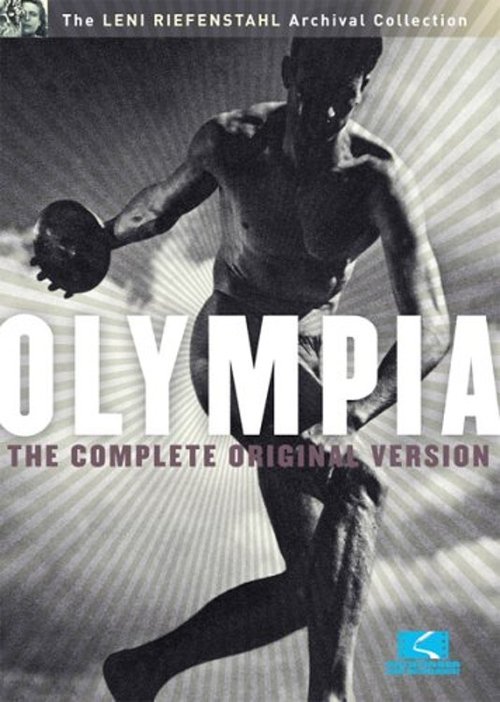
Commissioned to make a propaganda film about the 1936 Olympic Games in Germany, director Leni Riefenstahl created a celebration of the human form. Part one, Festival of the Nations, captures a renowned introduction that compares modern Olympians to classical Greek heroes, and goes on to provide thrilling in-the-moment coverage of some of the games' most celebrated moments, including African-American athlete Jesse Owens winning a then-unprecedented four gold medals.
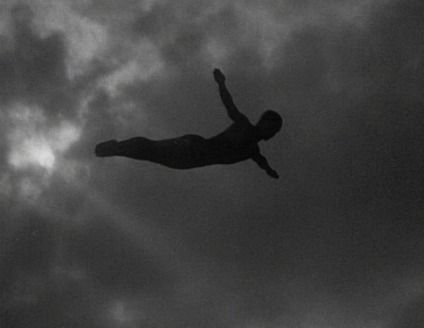
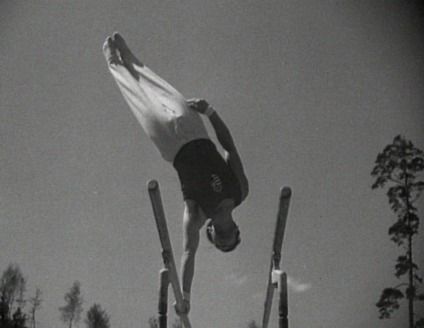
Commissioned to make a propaganda film about the 1936 Olympic Games in Germany, director Leni Riefenstahl created a celebration of the human form. Part one, Festival of the Nations, captures a renowned introduction that compares modern Olympians to classical Greek heroes, and goes on to provide thrilling in-the-moment coverage of some of the games' most celebrated moments, including African-American athlete Jesse Owens winning a then-unprecedented four gold medals. Part two, The Festival of Beauty, concentrates on individual athletes such as equestrians, gymnasts, and swimmers, climaxing with American Glenn Morris' performance in the decathalon and the games' majestic closing ceremonies.
2 movies
•
1938
•3h 51m total•4 snapshots•270 solvers
Olympia is a documentary about the 1936 Olympic games in Berlin by German Director Leni Riefenstahl. The film played in theaters in 1938 and again in 1952 after the fall of the Nazi Regime.
Olympia is a documentary about the 1936 Olympic games in Berlin by German Director Leni Riefenstahl. The film played in theaters in 1938 and again in 1952 after the fall of the Nazi Regime.
SECOND ONE? Olympia is a documentary about the 1936 Olympic games in Berlin by German Director Leni Riefenstahl.
SECOND ONE? Olympia is a documentary about the 1936 Olympic games in Berlin by German Director Leni Riefenstahl. The film played in theaters in 1938 and again in 1952 after the fall of the Nazi Regime.