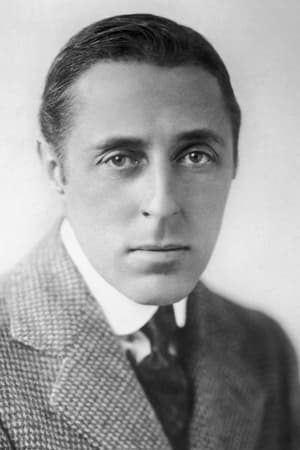
D.W. Griffith
David Llewelyn Wark Griffith was a premier pioneering American film director. He is best known as the director of the controversial and groundbreaking 1915 film The Birth of a Nation and the subsequent film Intolerance (1916). Griffith's film The Birth of a Nation made... Read full bio →
The Struggle
A young couple's marriage is jeopardized by the husband's descent into alcoholism.
Isn't Life Wonderful
A family from Poland has been left homeless in the wake of World War I. They move to Germany and struggle to survive the conditions there, during the Great Inflation. Inga is a Polish war orphan who has only accumulated a small amount of money from the rubble and hopes to marry Paul.
Orphans of the Storm
France, on the eve of the French Revolution. Henriette and Louise have been raised together as sisters. When the plague that takes their parents' lives causes Louise's blindness, they decide to travel to Paris in search of a cure, but they separate when a lustful aristocrat crosses their path.
Dream Street
Three men in London compete for the love of a dance-hall girl.
Way Down East
A naive country girl is tricked into a sham marriage by a wealthy womanizer, then must rebuild her life despite the taint of having borne a child out of wedlock.
True Heart Susie
Susie secretly loves her neighbor, William Jenkins, but neither, it seems, can confess their feelings for each other.
The Mother and the Law
To recoup losses from the extravagant roadshow presentations of Intolerance (1916), Griffith would revisit his epic film three years later by releasing two of the film's previously interlocked stories as standalone features, with additional footage and new title cards.
The Greatest Question
An orphan girl is given shelter by a farm family, but soon finds herself in the clutches of a murderous farmer and his wife.
Broken Blossoms
Broken Blossoms is an American silent film from director D. W. Griffith. This melodrama tells the love story of an abused English woman and a Chinese Buddhist in a time when London was a brutal and harsh place to live.
A Romance of Happy Valley
John Logan leaves his parents and sweetheart in bucolic Happy Valley to make his fortune in the city. Those he left behind become miserable and beleaguered in his absence, but after several years he returns, a wealthy man. But his embittered father, not recognizing him for who he is, plans to murder the newly-arrived "stranger" for his money.
Hearts of the World
A group of youngsters grow up and love in a peaceful French village. But war intrudes and peace is shattered. The German army invades and occupies village, bringing both destruction and torture. The young people of the village resist, some successfully, others tragically, until French troops retake the town.
The Birth of a Nation
The Birth of A Nation is a silent film from 1915 and the highest grossing film in film history. The film tells a romance story during the American civil war.
The Avenging Conscience: or 'Thou Shalt Not Kill'
Thwarted by his despotic uncle from continuing his love affair, a young man turns to thoughts of murder. Experiencing a series of visions, he sees murder as a normal course of events in life and kills his uncle. Tortured by his conscience, his future sanity is uncertain as he is assailed by nightmarish visions of what he has done.
The Mothering Heart
A young couple struggle to get ahead, the wife always assuaging the troubles of her melancholy husband. As he climbs the ladder of success, he abandons the homely values and begins an affair with a beautiful woman. His wife leaves him, returning to her mother's home where she bears a child.
The Lonedale Operator
A young woman takes over her sick father's role as telegraph operator at a railway station, and has to deal with a team intent on train robbery.
A Corner in Wheat
On a whim, a greedy tycoon decides to corner the world market in wheat. This doubles the price of bread, forcing grain producers into charity lines and others further into poverty. The film contrasts the differences between the lives of those who work to grow the wheat and the life of the man who dabbles in its sale for profit.