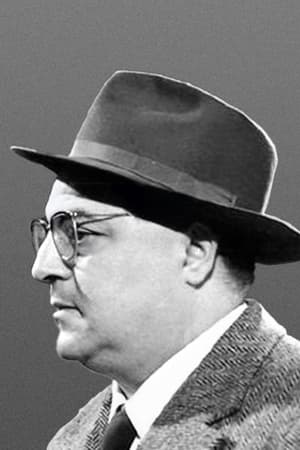
Raffaello Matarazzo
Largely misunderstood, at best considered a little master of an Italian cinema in full revival after the war thanks to neo-realism, Raffaello Matarazzo is nevertheless the author of some sumptuous melodramas whose success was spectacular in post-fascist Italy. Matarazzo... Read full bio →
Cerasella
Cerasella escapes just before his marriage with Alfredo and meets Bruno, the son of a wealthy industrialist.
L'angelo bianco
In this sequel to Nobody's Children, Guido still longs for Luisa, who has become a nun. Then he meets Lina, a chorus dancer who is a dead ringer for his former lover.
La nave delle donne maledette
After murdering her illegitimate baby, Isabella pins the blame on her innocent cousin Consuelo. Despite the strenuous efforts of her attorney-lover DeSylva, Consuelo is found guilty and shipped to a penal colony along with several other female prisoners.
I figli di nessuno
The tragic love story between Guido, the owner of a marble quarry and Luisa, the humble daughter of one of his employees, ends up in her giving birth to their baby boy. Giulio's mother is against them: first she sends her son abroad and then has the baby kidnapped, making Luisa think the boy died in a fire.
Tormento
Anna flees her home, where she has been victimized for years by her spineless father’s mean-spirited second wife, to be with her lover, an honest businessman yet to make his fortune.
Catene
A family drama involving a wife torn between her husband and her criminal ex-lover
Treno popolare
The film portrays the comic adventures of a group of summertime travellers. Produced at the height of the fascist era, Treno popolare was nonetheless free of propaganda, and featured the first film score by the legendary composer Nino Rota.