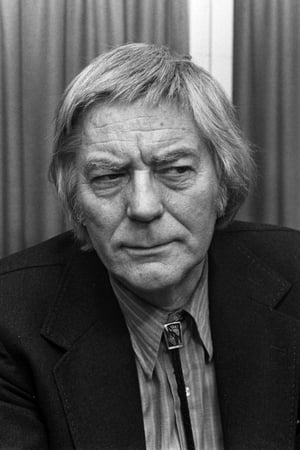
Bert Haanstra
Albert 'Bert' Haanstra was a Dutch film director of films and documentaries. His documentary Glass (1958) won the Academy Award for Documentary Short Subject in 1959. His feature film Fanfare (1958) was the most visited Dutch film at the time, and has since only been surpassed... Read full bio →
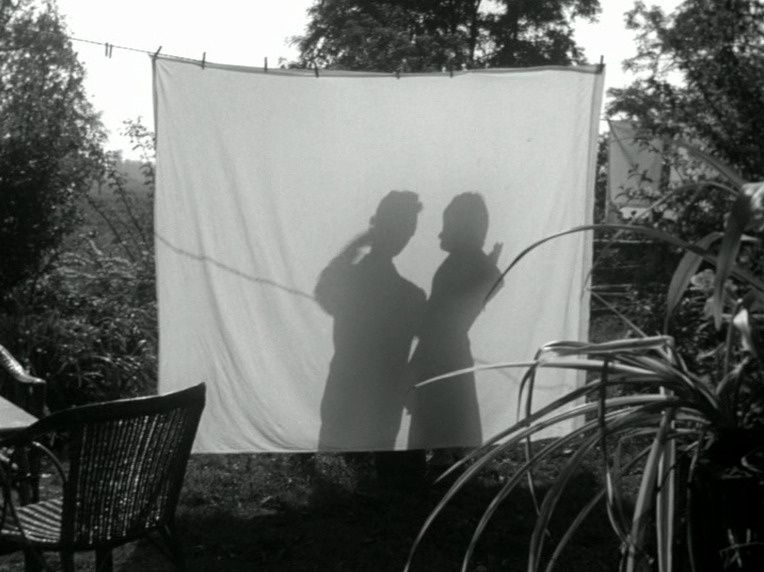
Dokter Pulder zaait papavers
A small town doctor gets a visit from a former study-friend. He doesn't know this former surgeon has become a junkie that wants to steal his morphine.
Bij de beesten af
The film is a study of the differences and similarities between human and animal behaviour. The first part of the movie focuses on the behaviour of various animal species. The second half is about humans. In the original Dutch version writer Anton Koolhaas, who also wrote the script, provided the voice-over.
De stem van het water
The Netherlands and water, they are inseparable from one another. Water in its soothing form, as a place of work and pleasure and as a source of threat and misery. Bert Haanstra thought it a great subject for a big cinema documentary and made The Voice of the Water.
Alleman
Bert Haanstra paints a portrait of The Netherlands and the Dutch, in his own unparalleled manner. Partly with the aid of a hidden camera he observes people in the most diverse situations. He shows the unusual in the usual and the usual in the unusual.
Over glas gesproken
A 1958 documentary by Bert Haanstra that systematically documents the entire glassmaking process in Dutch factories, explaining both traditional craft and mechanized production techniques for an educational commission. (Note: Distinct from Haanstra’s short poetic film Glass (Glas), this version is didactic and process-oriented.)
Fanfare
After a fight the brass band in a small village splits up into two separate bands. They both want to win a contest and will do anything to prevent the other band from winning it.
Spiegel van Holland
In this short film Bert Haanstra gives his vision - from the water – of a tranquil Holland. During filming he held the camera upside down and afterwards put the images ‘up right’ again in the film. By doing this, we see the ‘usual’ waterfront, but transformed by the rippling of the water.