Albert Maysles
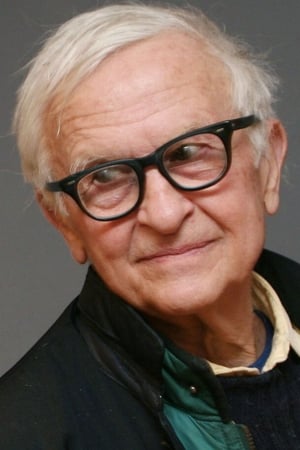
Albert Maysles (with his brother David) was an American documentary filmmaker known for his work in the "Direct Cinema" style. Their best-known films together include Salesman (1969), Gimme Shelter (1970) and Grey Gardens (1975).
Muhammad and Larry
We follow the preparations for Ali's final attempt to win back the World Heavyweight title. Even during the lead up to the fight grave concerns were held for Ali's health and the man who stepped into the ring was frail imitation of his former self.
The Beales of Grey Gardens
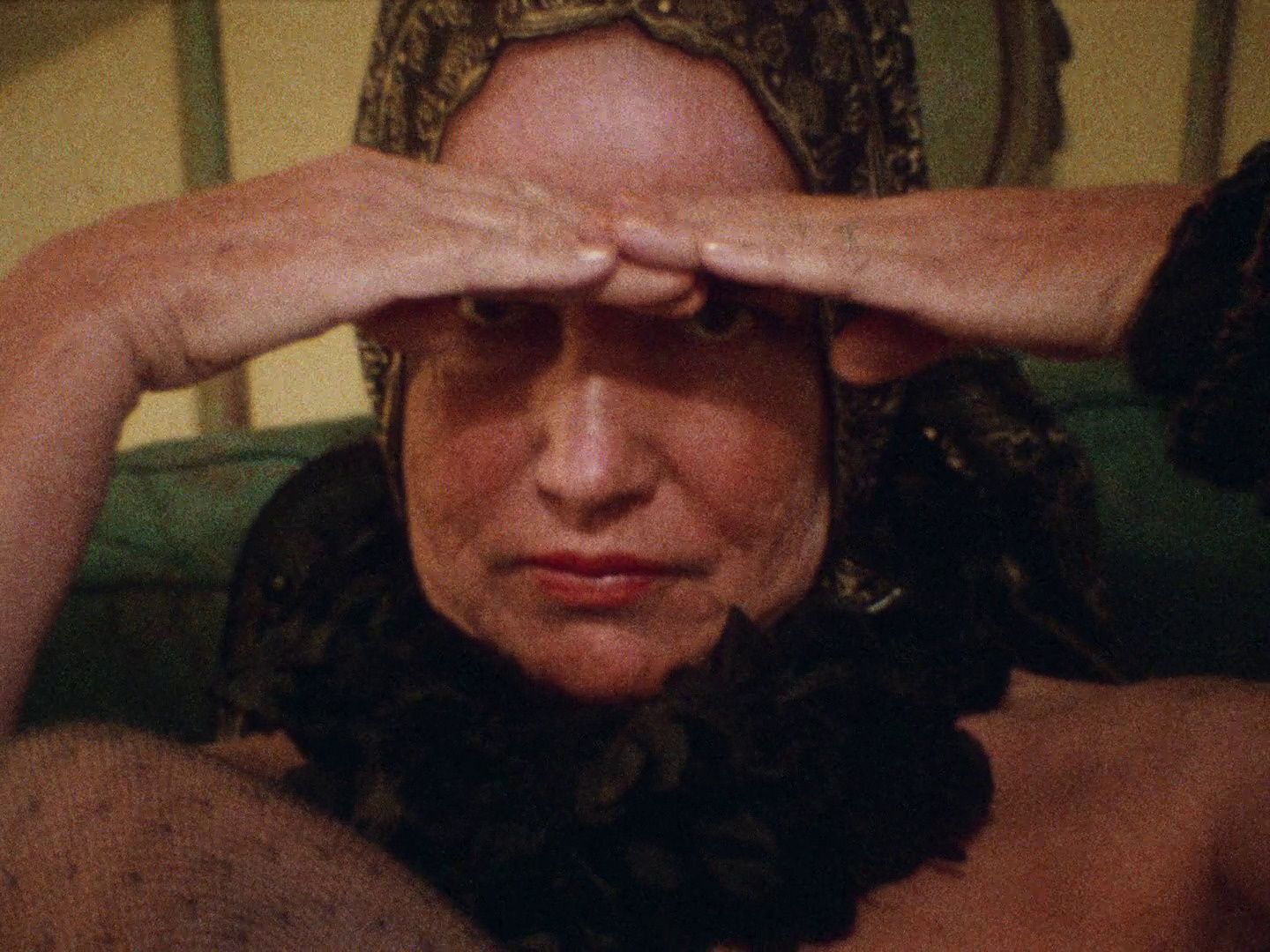
Mother and daughter - Big Edie and Little Edie Beale - live with six cats in a crumbling house in East Hampton. Little Edie, in her 50s, who wears scarves and bright colors, sings, mugs for the camera, and talks to Al and David Maysles, the filmmakers.
LaLee's Kin: The Legacy of Cotton
This heartbreaking documentary depicts the extreme poverty of an African-American family and their Mississippi Delta school district.
The Beatles: The First U.S. Visit
Maysles brothers documentary covering the first arrival of "Beatlemania" in the U.S., as well at the band's historical appearances on "The Ed Sullivan Show."
Grey Gardens
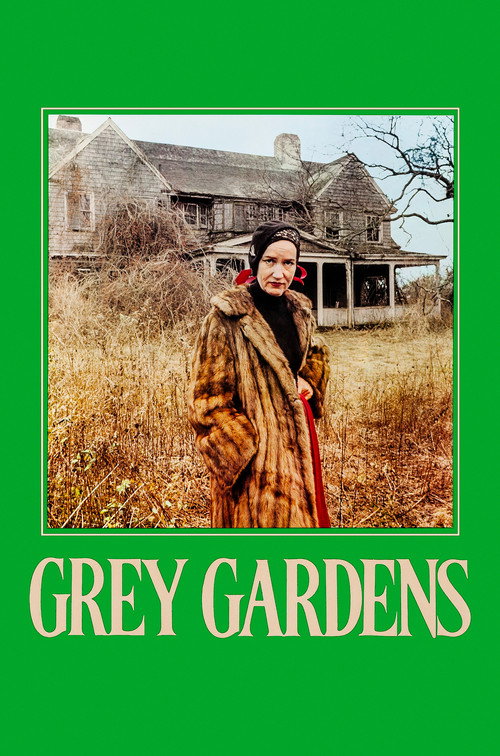
An old mother and her middle-aged daughter, the aunt and cousin of Jacqueline Kennedy Onassis, live their eccentric lives in a filthy, decaying mansion in East Hampton.
The Rolling Stones: Gimme Shelter
Gimme Shelter is a film about the Rolling Stones live tour in 1969 and focusing on one concert that got out of hand. This documentary shows parts of the concerts, the violence, and the reaction after the fact by the band themselves.
Salesman
Filmmakers (and brothers) Albert and David Maysles follow four employees of a company that makes expensive, ornate, illustrated bibles as they attempt to sell the items door-to-door to less-than-interested customers, who are mainly poor or lower-middle-class Catholics with little money to spend on pretty Bibles.
Adventures on the New Frontier
A look at the daily business of U.S. President John F. Kennedy, with a focus on some of the political issues he faces six weeks into his term. Preserved by the Academy Film Archive in 2007.