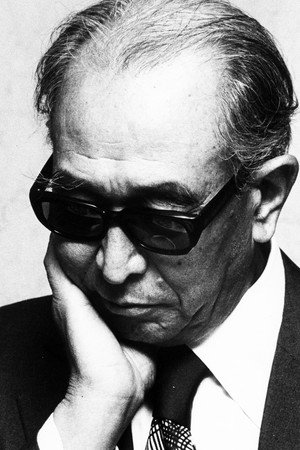
Akira Kurosawa
Akira Kurosawa (黒澤 明) was a Japanese filmmaker and painter who directed thirty films in a career spanning over five decades. He is widely regarded as one of the greatest and most influential filmmakers in the history of cinema. He displayed a bold, dynamic style, strongly... Read full bio →
Madadayo
This film tells the story of professor Uehida Hyakken-sama (1889-1971), in Gotemba, around the forties. He was a university professor until an air raid, when he left to become a writer and has to live in a hut. His mood has hardly changed, not by the change nor by time.
Hachi-gatsu no kyôshikyoku
The story centers on an elderly hibakusha, who lost her husband in the 1945 atomic bombing of Nagasaki, caring for her four grandchildren over the summer. She learns of a long-lost brother, Suzujiro, living in Hawaii who wants her to visit him before he dies.
Yume
This is essentially eight separate short films, with some overlaps in characters and thematic material - that of man's relationship with his environment. 'Sunshine Through The Rain' - 'The Peach Orchard' - 'The Blizzard' - 'Crows' - 'Mount Fuji in Red' - The Weeping Demon' - 'Village of the Watermills'
Ran
A story of greed, a lust for power, and ultimate revenge when an elderly lord abdicates to his three sons, and the two corrupt ones turn against him.
Kagemusha
A criminal is taught to impersonate a dying warlord in order to protect his clan from appearing weak and vulnerable.
Dersu Uzala
The Russian officer who befriends Dersu must bear some responsibility for the tragedy - taking Dersu to the town and the gift of the rifle significantly impact on the ending of the film.
Dodesukaden
Dodes'ka-den is a film by Akira Kurosawa set in a 1970 era Japanese rubbish dump.
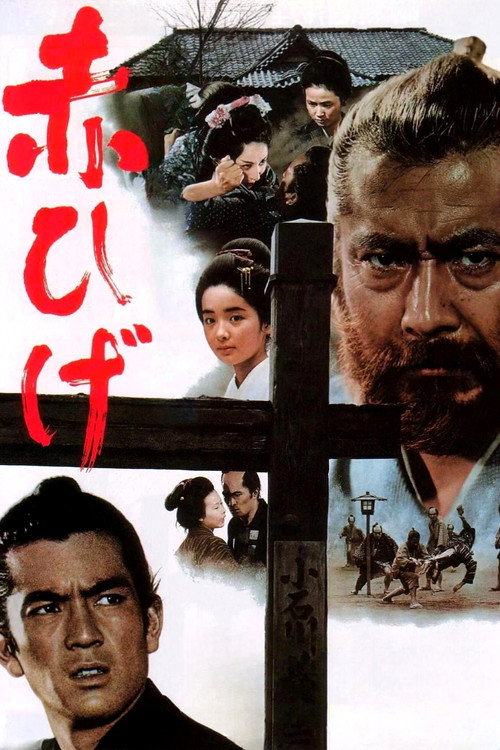
Akahige
Set in feudal times, novice physician, Yuzo Kayama, is sent to a poor infirmary expecting just to visit, but is infuriated to learn he must stay. He tries to provoke his termination, but is foiled by head doctor "Red Beard" (Toshiro Mifune), a man whose methods are as caring as they are unpredictable.
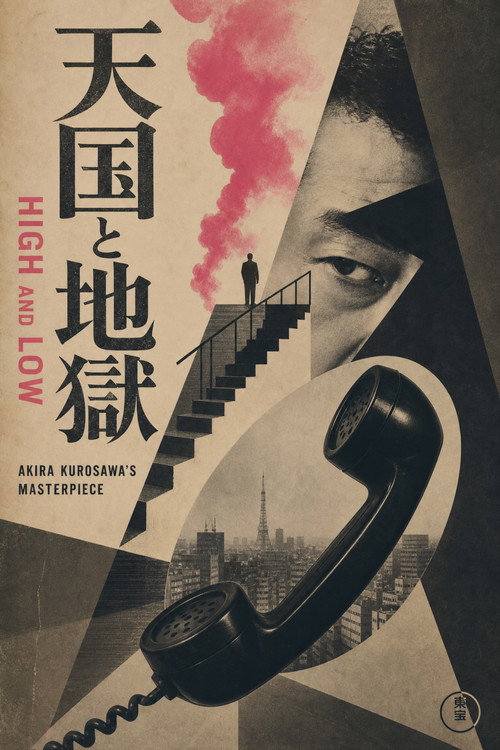
Tengoku to jigoku
An executive on the outs with his company gets in deeper when he pays off kidnappers who have abducted the wrong boy.
Tsubaki Sanjûrô
A crafty samurai helps a young man and his fellow clansmen save his uncle, who has been framed and imprisoned by a corrupt superintendent.
Yôjinbô
A crafty ronin comes to a town divided by two criminal gangs and decides to play them against each other to free the town.
Warui yatsu hodo yoku nemuru
A young executive hunts down his father’s killer. Continuing his legendary collaboration with actor Toshiro Mifune, Kurosawa combines elements of Hamlet and American film noir to chilling effect in exposing the corrupt boardrooms of postwar corporate Japan.
Kakushi-toride no san-akunin
Lured by gold, two greedy peasants escort a man and woman across enemy lines. However, they do not realize that their companions are actually a princess and her general.
Kumonosu-jô
Mikio and Washizu are the commanders of the 1st and 2nd Fortress under a local lord, who reigns in the Spiders' Web Castle. After defeating the lord's enemies in battle, they visit the fortress. Washizu, driven by his wife, conspires and murders the lord, becoming lord of the castle. But his evil deeds come back to haunt him.
Donzoko
Residents of a rundown boardinghouse in 19th-century Japan, including a mysterious old man and an aging actor, get drawn into a love triangle that turns violent. When amoral thief Sutekichi breaks off his affair with landlady Osugi to romance her younger sister, Okayo, Osugi extracts her revenge by revealing her infidelity to her jealous husband.
Ikimono no kiroku
Kiichi Nakajima (Toshirō Mifune), an elderly foundry owner convinced that Japan will be affected by an imminent nuclear war, resolves to move his family to safety in Brazil. His family decides to have him ruled incompetent and Dr. Harada (Takashi Shimura), a Domestic Court counselor, attempts to arbitrate.
Shichinin no samurai
Seven Samurai is the masterpiece from Akira Kurosawa from 1954 in which a town hires an old samurai to protect their village. A mix of action, comedy, and social drama. This epic film is an intimate look into the powerful emotions of the characters and named the greatest film in Japanese cinema history.
Ikiru
Kanji Watanabe is a middle-aged man who has worked in the same monotonous bureaucratic position for decades. Learning he has cancer, he starts to look for the meaning of his life.
Hakuchi
Kameda, who has been in an asylum on Okinawa, travels to Hokkaido. There he becomes involved with two women, Taeko and Ayako. Taeko comes to love Kameda, but is loved in turn by Akama. When Akama realizes that he will never have Taeko, his thoughts turn to murder, and great tragedy ensues.
Shûbun
Akira Kurosawa directed this drama about a paparazzi photo that a tabloid magazine spins into a scandalous story and soon sparks a court case.
Rashômon
In ancient Japan a crime take place as told from three different travelers who have experienced the crime: a man being killed and his wife being raped. Which if any of the stories is true? A Akira Kurosawa film about morals, truth, and communication.
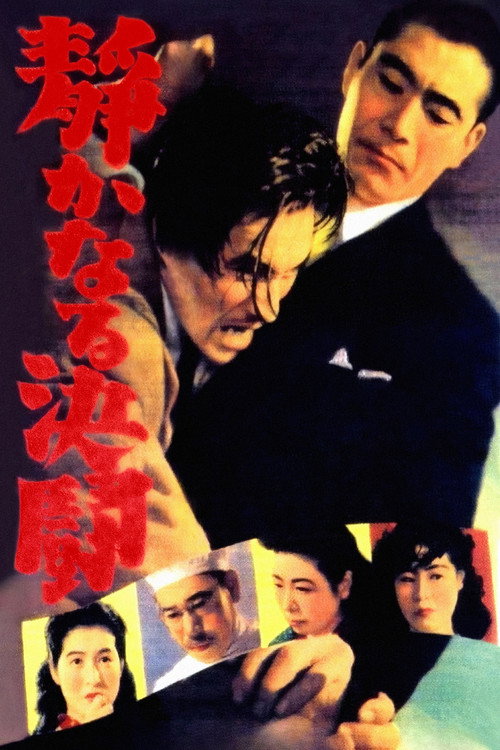
Shizukanaru kettô
A young army surgeon, Kyoji Fujisaki, accidentally contracts syphilis during a WWII field operation. Back at his father’s clinic, he treats himself in secret and breaks off his engagement rather than risk his fiancée’s future, even as he confronts the irresponsible patient who infected him—testing his ethics, pride, and capacity for sacrifice.
Nora inu
In Akira Kurosawa's gritty Stray Dog, a young police detective gets his pistol stolen on a crowded bus during the oppressive heat of a late 1940s Tokyo summer. The gun is later used in a robbery and murder making finding it even more important.
Yoidore Tenshi
An alcoholic doctor builds a shaky friendship with a dying gangster
Subarashiki nichiyôbi
Yuzo and his fiancée Masako spend their Sunday afternoon together, trying to have a good time on just thirty-five yen. They manage to have many small adventures, especially because Masako's optimism and belief in dreams is able to lift Yuzo from his realistic despair.
Waga seishun ni kuinashi
After her anti-fascist professor father is dismissed, Yukie navigates love, political repression, and wartime upheaval—ultimately forging her own path in pre- and post-WWII Japan.
Zoku Sugata Sanshirô
In this government-suggested sequel, Sugata again grows as a judo master, and demonstrates his (and by extension, all Japanese) superiority to the foreign warrior.
Tora no o wo fumu otokotachi
Yoshitsune Minamoto, disguised with his retinue as monks, must make do with a comical porter as their guide through hostile territory en route to safety.
Ichiban utsukushiku
The stories of several young women who work in a 'precision optical instruments' factory during the second World War. Despite illness, injury, and tremendous personal hardship, the women persevere in their tasks, devoted to their work and their country's cause.
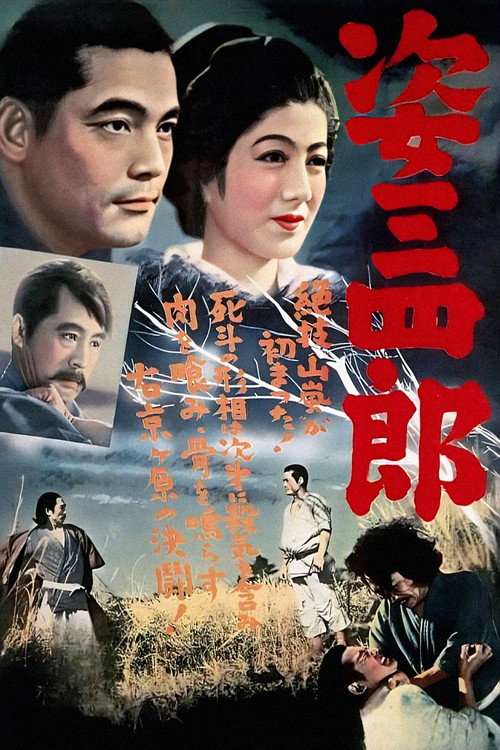
Sugata Sanshirô
The story of Sanshiro, a strong stubborn youth, who travels into the city in order to learn Jujutsu. However, upon his arrival he discovers a new form of self-defence: Judo. The main character is based on Shiro Saigo, a legendary judoka.