Critics
Harvard's Suggested Film Viewing: Non-Fiction Films
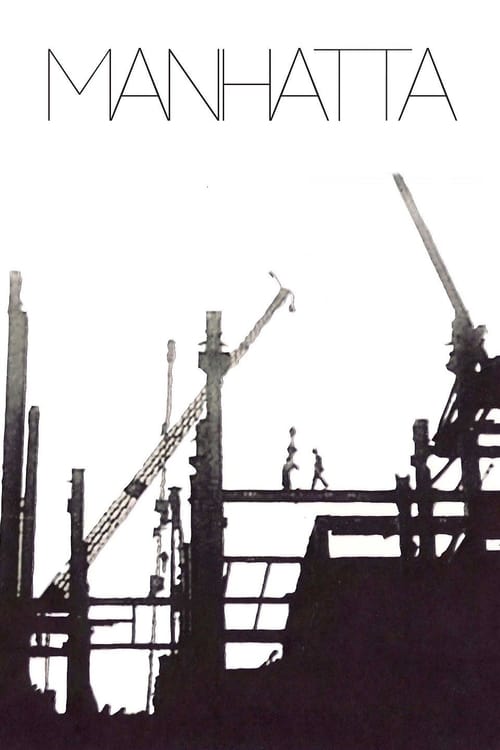
Manhatta
Morning reveals New York harbor, the wharves, the Brooklyn Bridge. A ferry boat docks, disgorging its huddled mass. People move briskly along Wall St. or stroll more languorously through a cemetery. Ranks of skyscrapers extrude columns of smoke and steam. In plain view. Or framed, as through a balustrade. A crane promotes the city's upward progr...
Nanook Of The North is Robert J. Flaherty’s beautiful film about an Inuit man named Nanook and his family. Filmed during one year of their life in the icy desolation of Northern Canada. The film was an enormous success and is the founder of the documentary film genre.
Berlin is Walter Ruttmanns black and white documentary of Berlin in 1927. The big city symphony shows a day in the life of metropolitan Berlin. Showing the industrial uprising as well as the lives and working circumstances of the time.
Elephants disrupt the lives of a family deep in the jungles of Northern Siam, and an entire village.
A cameraman wanders around with a camera slung over his shoulder, documenting urban life with dazzling inventiveness.
Turksib
Bold and exhilarating documentary account of the building of the Turkestan-Siberian railway, presented as a heroic triumph of Soviet progress over natural adversity.
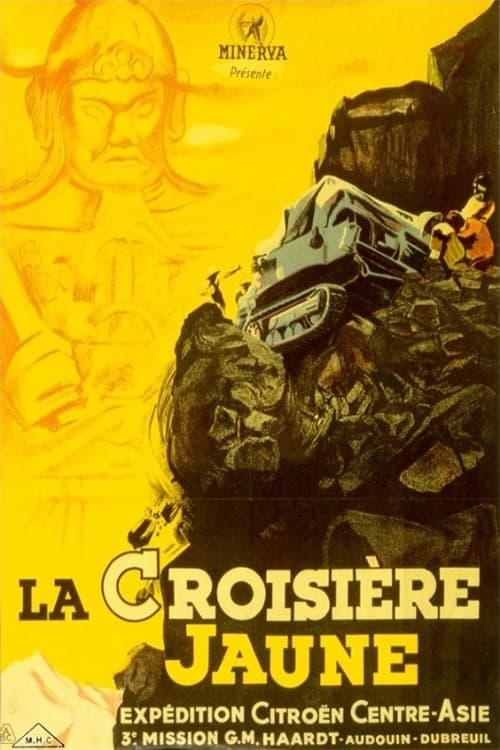
The Yellow Cruise is a French documentary film initially directed by André Sauvage and taken over by Léon Poirier following the intervention of André Citroën. The film was presented in Paris in 1934. André Sauvage was hired by the Pathé-Natan company to follow the yellow cruise through Asia. In 1931 and 1932, forty-two men, including Pierre Teil...

Las Hurdes
An exploration —manipulated and staged— of life in Las Hurdes, in the province of Cáceres, in Extremadura, Spain, as it was in 1932. Insalubrity, misery and lack of opportunities provoke the emigration of young people and the solitude of those who remain in the desolation of one of the poorest and least developed Spanish regions at that time.

Ambitious documentary chronicling the cultural life and religious customs of the Sinhalese and the effects of advanced industrialism on such customs.
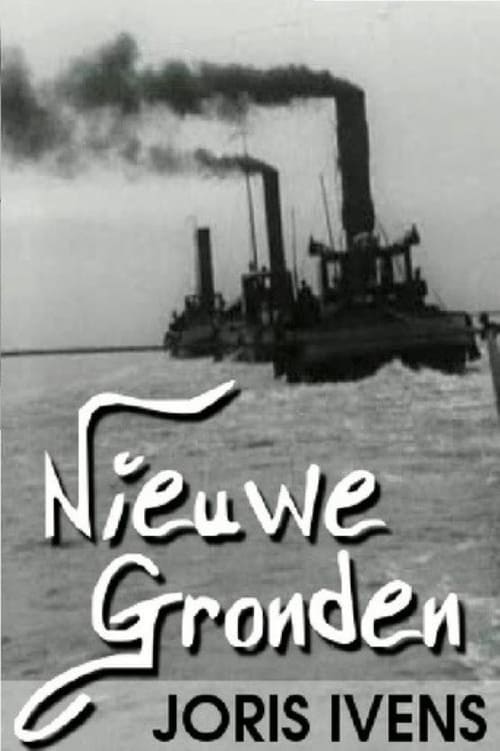
Nieuwe gronden
The film is a documentary portraying a struggle as man tries to subdue nature. To prevent flooding and for purposes of land reclamation, the people of the Netherlands struggle and succeed in building a breaker, thereby eliminating the wild inland body of water once known as the Zuider Zee (now called Ijsselmeer).
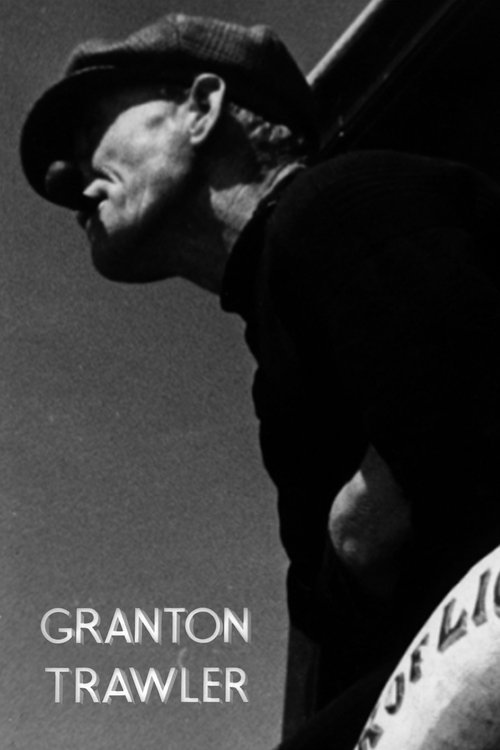
Granton Trawler
Documentary following an Edinburgh fishing trawler, the "Isabella Grieg".
The infamous propaganda film of the 1934 Nazi Party rally in Nuremberg, Germany
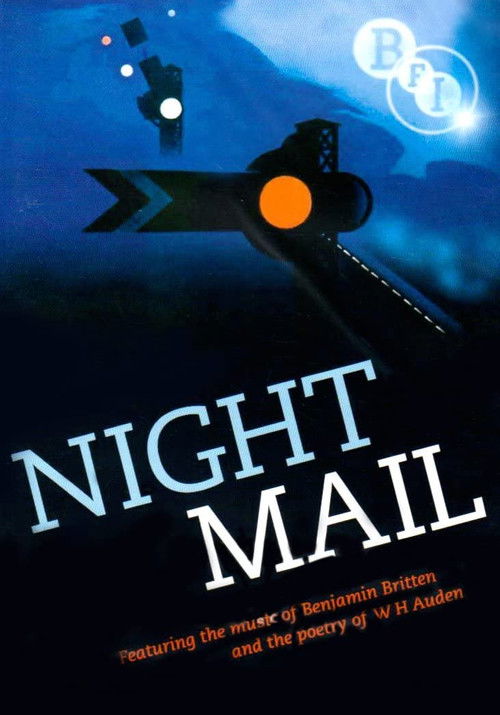
Night Mail
This documentary short examines the special train on which mail is sorted, dropped and collected on the run, and delivered in Scotland on the overnight run from Euston, London to Glasgow.
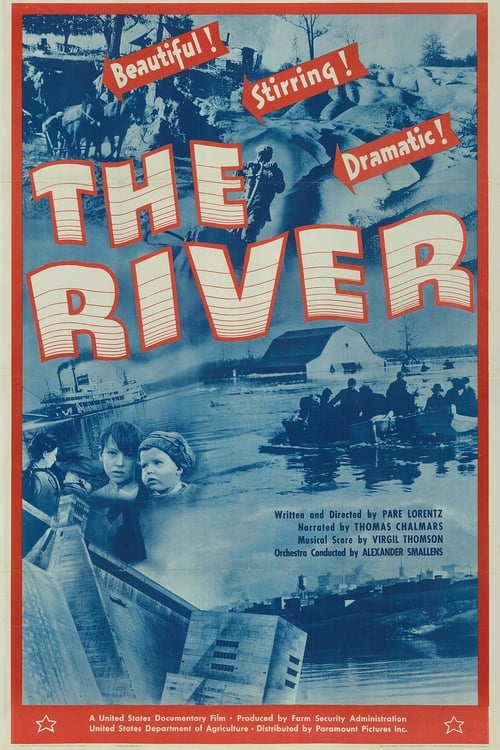
The River
This short Depression-era documentary describes the importance of the Mississippi River to the United States and laments the environmental destruction committed in the name of progress, particularly farming and timber practices and their impact on impoverished farmers.
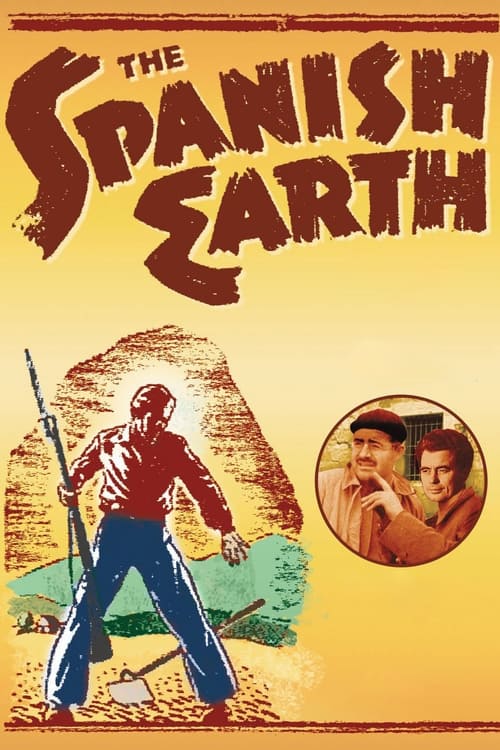
Joris Ivens’s advocacy documentary for the Republican cause intercuts a besieged Madrid with a nearby village digging an irrigation canal, linking the war to bread, land, and survival. Produced by the writers’ collective Contemporary Historians, edited by Helen van Dongen, scored by Marc Blitzstein, and narrated in its U.S. version by Ernest Hem...
Olympia is a documentary about the 1936 Olympic games in Berlin by German Director Leni Riefenstahl. The film played in theaters in 1938 and again in 1952 after the fall of the Nazi Regime.
SECOND ONE? Olympia is a documentary about the 1936 Olympic games in Berlin by German Director Leni Riefenstahl. The film played in theaters in 1938 and again in 1952 after the fall of the Nazi Regime.
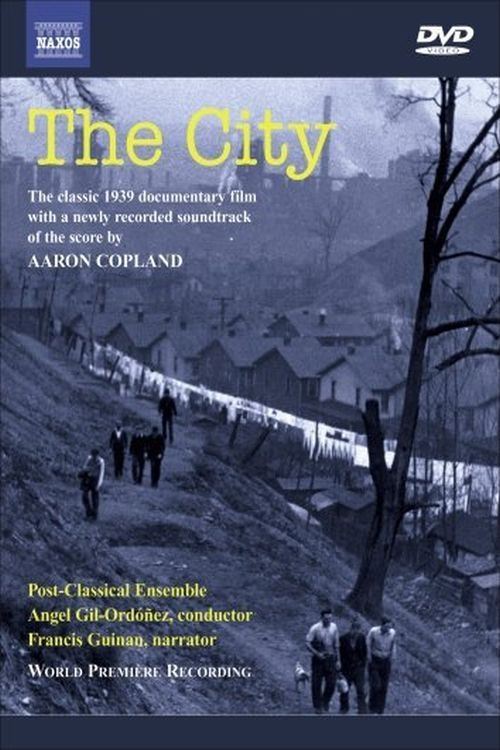
The City
A prescient documentary about city planning, which presents idyllic suburbs and nuclear families as a solution to the chaos, poverty and social decay of industrialized inner cities.
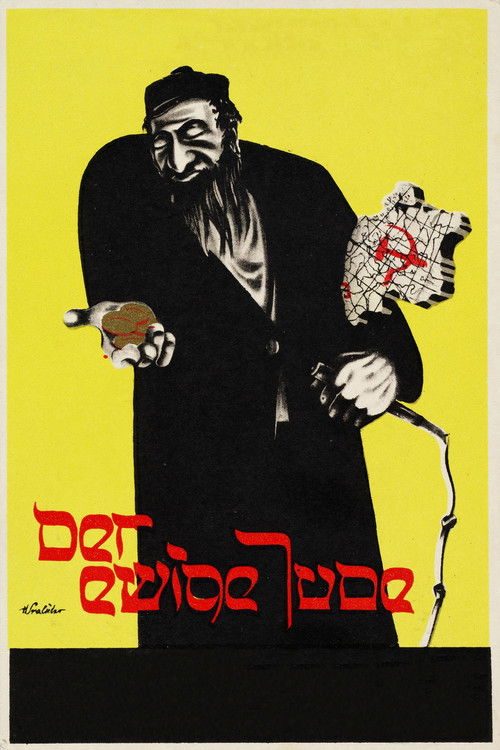
Der ewige Jude
A Nazi propaganda film made to promote anti-Semitism among the German people. Newly-shot footage of Jewish neighborhoods in recently-conquered Poland is combined with preexisting film clips and stills to defame the religion and advance Hitler's slurs that its adherents were plotting to undermine European civilization.
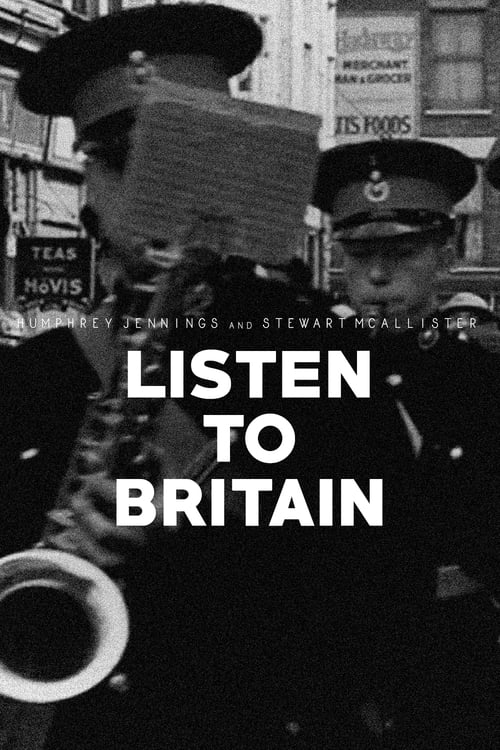
A depiction of life in wartime Britain during the Second World War. Director Humphrey Jennings visits many aspects of civilian life and of the turmoil and privation caused by the war, all without narration.
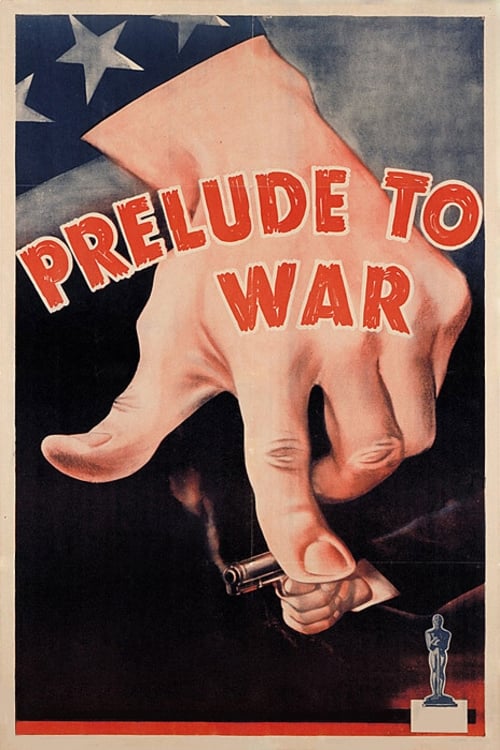
Prelude to War
Prelude to War was the first film of Frank Capra's Why We Fight propaganda film series, commissioned by the Pentagon and George C. Marshall. It was made to convince American troops of the necessity of combating the Axis Powers during World War II. This film examines the differences between democratic and fascist states.

The Nazis Strike
The second film of Frank Capra's Why We Fight propaganda film series. It introduces Germany as a nation whose aggressive ambitions began in 1863 with Otto von Bismarck and the Nazis as its latest incarnation.

The third film of Frank Capra's 'Why We Fight" propaganda film series, dealing with the Nazi conquest of Western Europe in 1940.
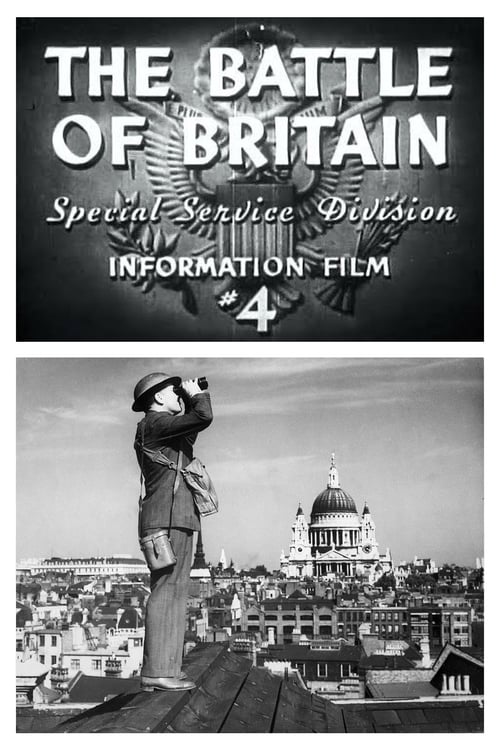
The fourth of Frank Capra's Why We Fight series of seven propaganda films, which made the case for fighting and winning the Second World War. It was released in 1943 and concentrated on the German bombardment of the United Kingdom in anticipation of Operation Sea Lion, the planned German invasion.
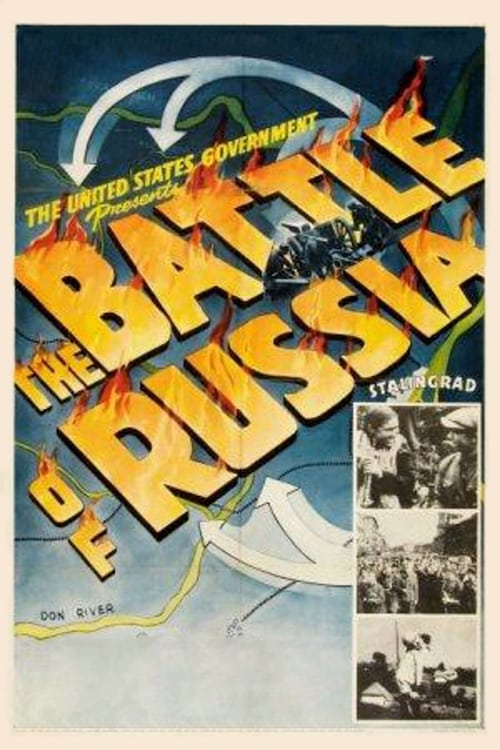
The fifth film of Frank Capra's Why We Fight propaganda film series, revealing the nature and process of the fight between the Soviet Union and Germany in the Second World War.
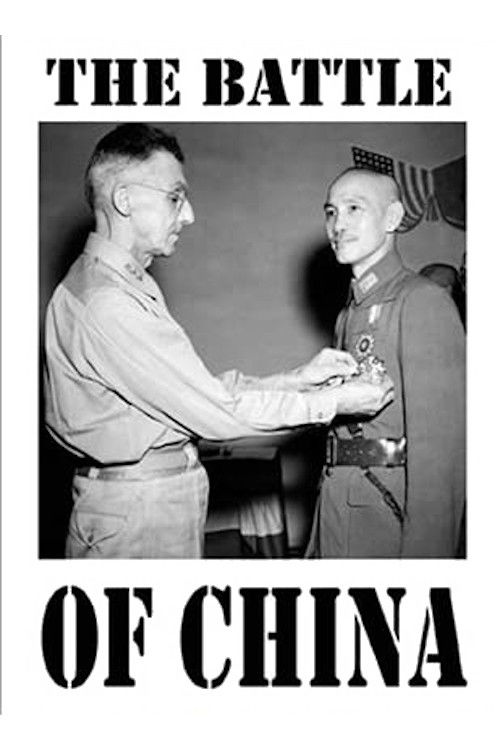
The sixth film of Frank Capra's Why We Fight propaganda film series illustrates Japan's occupation of China, including Madame Chiang Kai-Shek's stirring address before congress, the rape of Nanking, the great 2,000 mile migration, and Claire Chennault's Flying Tigers.

The seventh and final film of Frank Capra's Why We Fight World War II propaganda film series. This entry attempts to describe the factors leading up to America's entry into the Second World War.
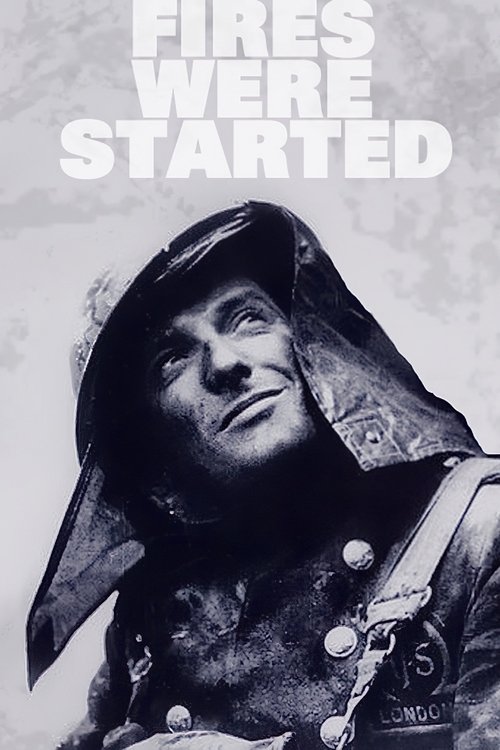
British film written and directed by Humphrey Jennings, filmed in documentary style showing the lives of firefighters through the Blitz in World War II.
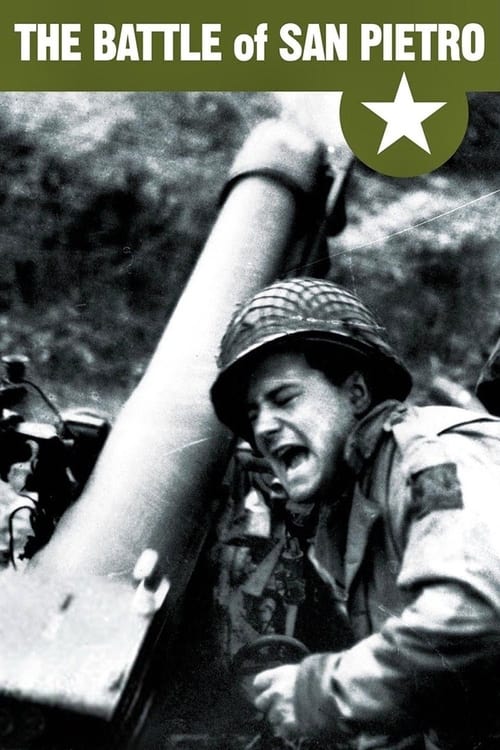
San Pietro
This documentary movie is about the battle of San Pietro, a small village in Italy. Over 1,100 US soldiers were killed while trying to take this location, that blocked the way for the Allied forces from the Germans. Preserved by the Academy Film Archive in 2005.
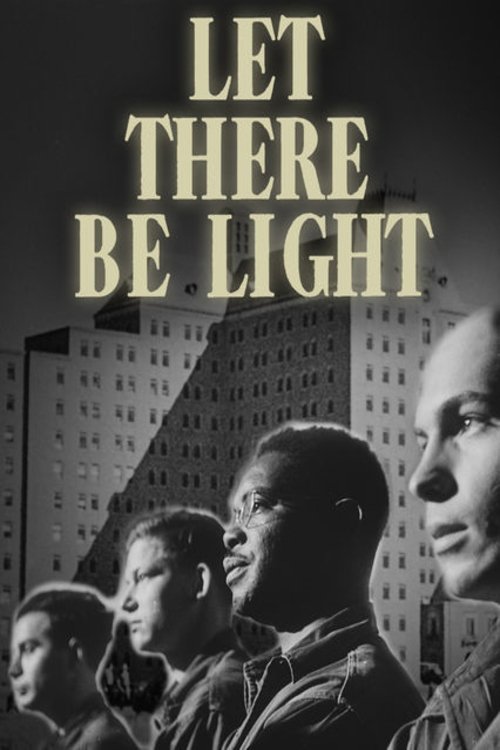
The final entry in a trilogy of films produced for the U.S. government by John Huston. Some returning combat veterans suffer scars that are more psychological than physical. This film follows patients and staff during their treatment. It deals with what would now be called PTSD, but at the time was categorised as psychoneurosis or shell-shock. G...

An early example of ultra-realism, this movie contrasts the quiet, bucolic life in the outskirts of Paris with the harsh, gory conditions inside the nearby slaughterhouses. Describes the fate of the animals and that of the workers in graphic detail.
Kon-Tiki
A documentary about the Kon-Tiki expedition of the Norwegian explorer Thor Heyerdahl.

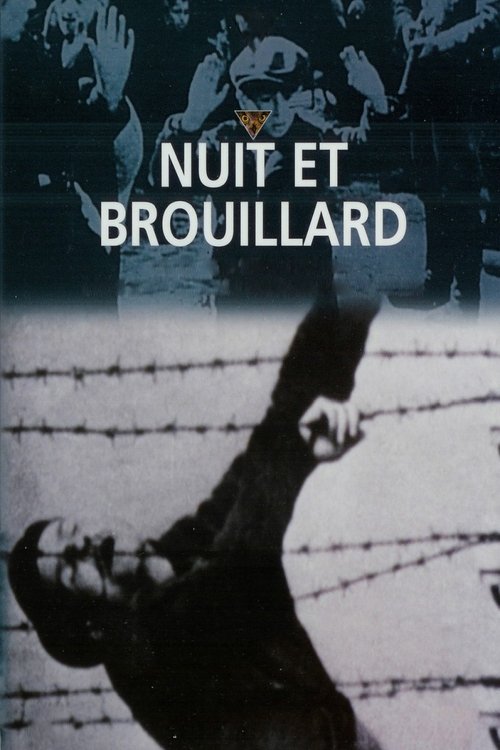
Filmmaker Alain Resnais documents the atrocities behind the walls of Hitler's concentration camps.
Seminal piece of documentary filmmaking by New Wave director Karel Reisz following the daily activities of members of the Lambeth Youth club in late-1950s London.
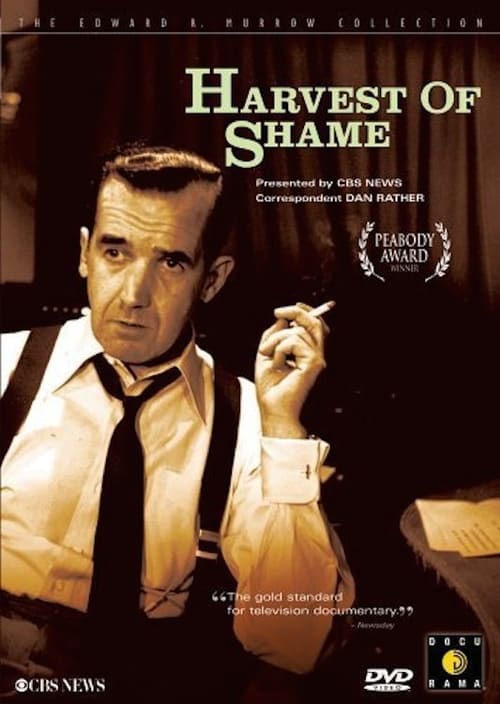
In this CBS News production broadcast on Thanksgiving 1960, Edward R. Murrow points out the plight of migrant farm workers in America. Topics range from the harsh living conditions, endless travel, low wages, and poor opportunities for their children.
The film begins with a discussion between Rouch and Morin on whether or not it is possible to act sincerely in front of a camera. A cast of real life individuals are then introduced and are led by the filmmakers to discuss topics on the themes of French society and happiness in the working class.

During a two-day period before and after the University of Alabama integration crisis, the film uses five camera crews to follow President John F. Kennedy, attorney general Robert F. Kennedy, Alabama governor George Wallace, deputy attorney general Nicholas Katzenbach and the students Vivian Malone and James Hood. As Wallace has promised to pers...
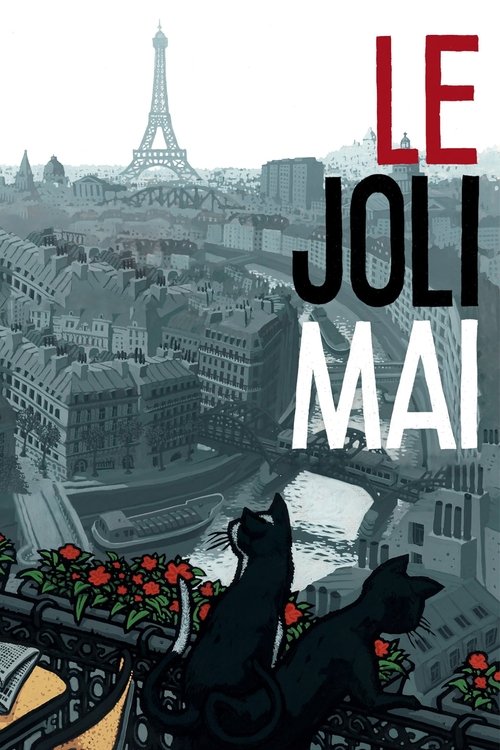
Le joli mai
Candid interviews of ordinary people on the meaning of happiness, an often amorphous and inarticulable notion that evokes more basic and fundamentally egalitarian ideals of self-betterment, prosperity, tolerance, economic opportunity, and freedom.
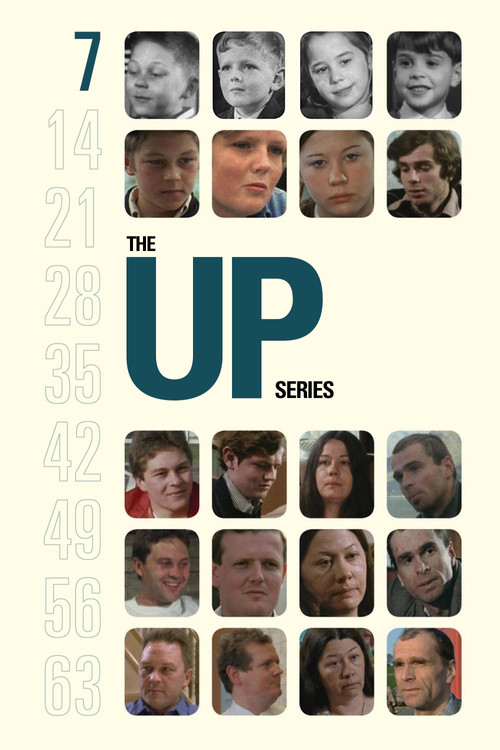
Seven Up!
A group of British children aged 7 from widely ranging backgrounds are interviewed about a range of subjects. The filmmakers plan to re-interview them at 7 year intervals to track how their lives and attitudes change as they age.
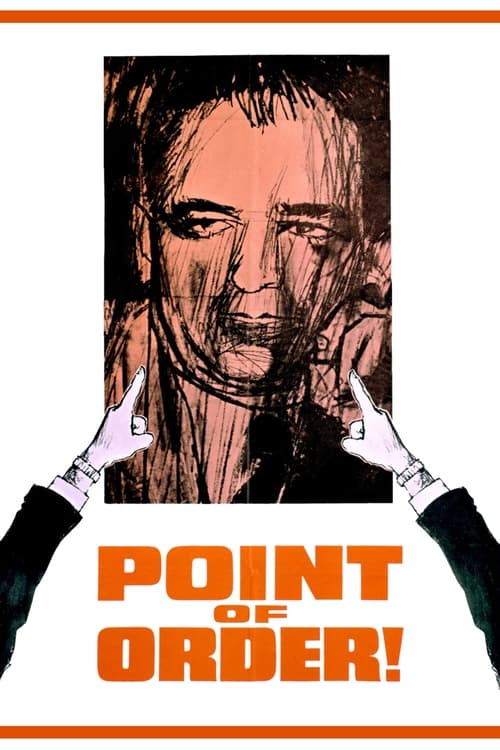
Point of Order!
Point of Order is compiled from TV footage of the 1954 Army-McCarthy hearings, in which the Army accused Senator McCarthy of improperly pressuring the Army for special privileges for Private David Schine, formerly of McCarthy's investigative staff. McCarthy accused the Army of holding Schine hostage to keep him from searching for Communists in t...
The War Game
The War Game is a fictional, worst-case-scenario docu-drama about nuclear war and its aftermath in and around a typical English city.
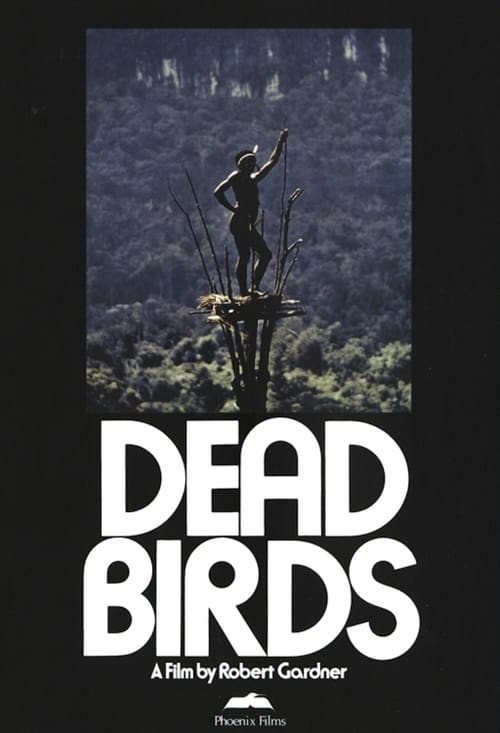
Dead Birds
An ethnographic documentary documenting the ritual warfare cycle, social life, and belief systems of the Dani people of the Baliem Valley in western New Guinea.
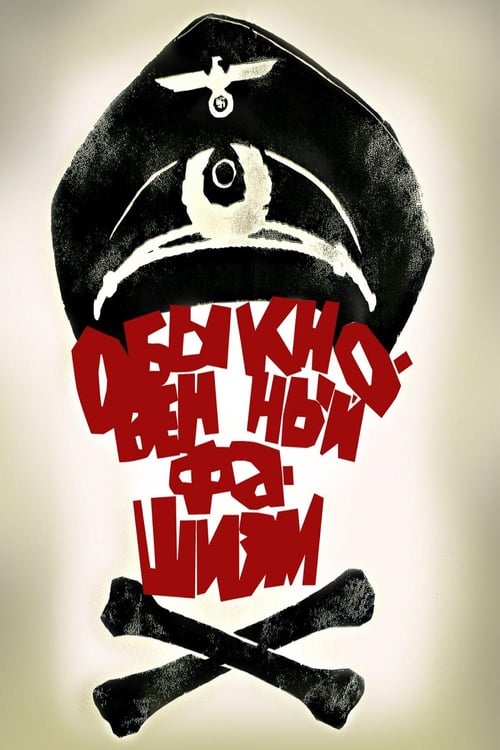
Romm pulls out all the stops in its selection of documentary material to draw the viewer not only into absolute horror about fascism and nazism in the 1920s–1940s Europe, but also to a firm conviction that nothing of the sort should be allowed to happen again anywhere in the world.
Paris vu par...
Six vignettes set in different sections of Paris, by six directors. St. Germain des Pres (Douchet), Gare du Nord (Rouch), Rue St. Denis (Pollet), and Montparnasse et Levallois (Godard) are stories of love, flirtation and prostitution; Place d'Etoile (Rohmer) concerns a haberdasher and his umbrella; and La Muette (Chabrol), a bourgeois family and...
A documentary feature by Pierre Schoendoerffer about the Vietnam War.
Primary
Primary is a documentary film about the primary elections between John F. Kennedy and Hubert Humphrey in 1960. Primary is the first documentary to use light equipment in order to follow their subjects in a more intimate filmmaking style. This unconventional way of filming created a new look for documentary films where the camera’s lens was right...

Interview with Jason Holliday aka Aaron Payne. House-boy, would-be cabaret performer, and self-proclaimed hustler giving one man's gin-soaked, pill-popped view of what it was like to be black and gay in 1960s United States. Preserved by the Academy Film Archive in partnership with Milestone Films in 2013.