Critics
Anthology Film Archives's Essential Cinema

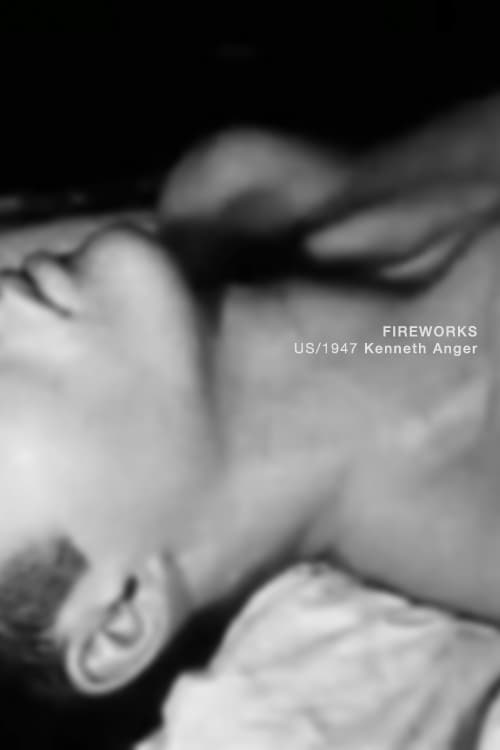
Fireworks
A dissatisfied dreamer awakes, goes out in the night seeking a 'light' and is drawn through the needle's eye. A dream of a dream, he returns to bed less empty than before.

Puce Moment
This film resulted from the unfinished short film Puce Women. The film opens with a camera watching 1920s style flapper gowns being taken off a dress rack. The dresses are removed and danced off the rack to music. (The original soundtrack was Verdi opera music; in the 1960s, Anger re-released the film with a new psychedelic folk-rock soundtrack ...
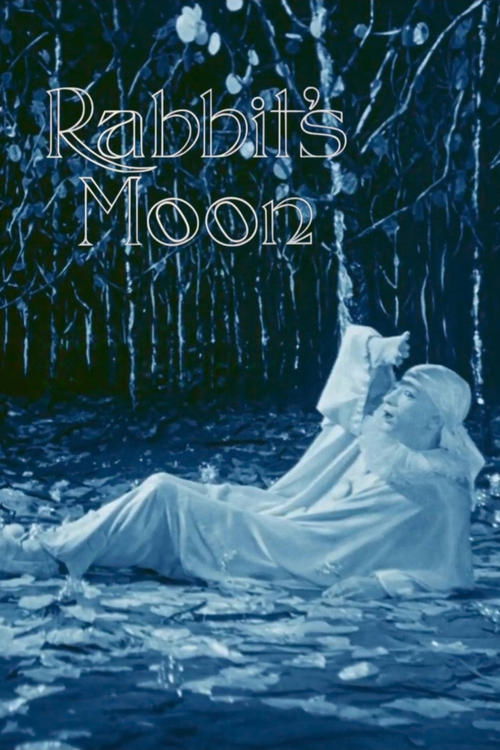
A Japanese fairy tale meets commedia dell'Arte. All in white, the naïf Pierrot lies in a wood. Doo-wop music plays as he rises, stares about, and reaches for the moon. Although music abounds and the children of the wood are there at play, Pierrot is melancholy and alone. Harlequin appears, brimming with confidence and energy. He conjures the lov...
A woman dressed elegantly walks purposely through the water gardens at the Villa d'Este in Tivoli, as the music of Vivaldi's Winter movement of The Four Seasons plays. Heavy red filters give a blue cast to the light; water plays across stone, and fountains send it into the air. No words are spoken. Baroque statuary and the sensuous flow of water...
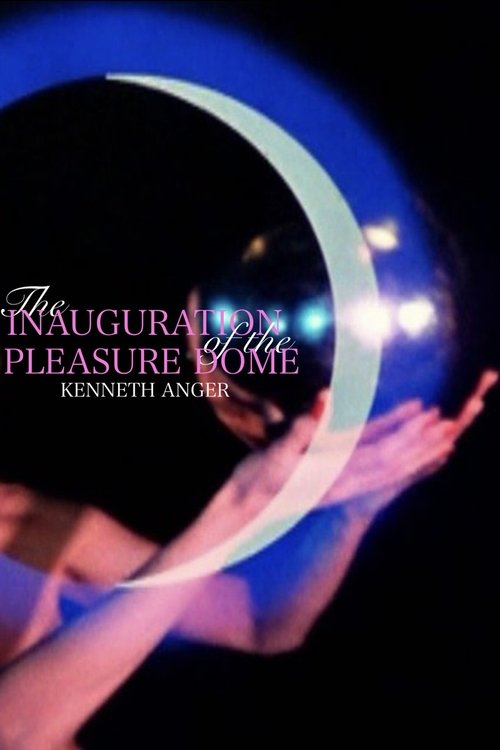
Lord Shiva wakes. A convocation of magicians in the guise of figures from mythology; a masquerade party at which Pan is the prize. The wine of Hecate is poured: Pan's cup is poisoned by Shiva. Kali blesses the assembly as a bacchic rite ensues.
An army of gay/nazi bikers make their engines roar and ride the way to pain/pleasure as sexual and sadistic symbols are intercut into the dazing chaos and rhythmic experiences of this underground film by cult director Anger.
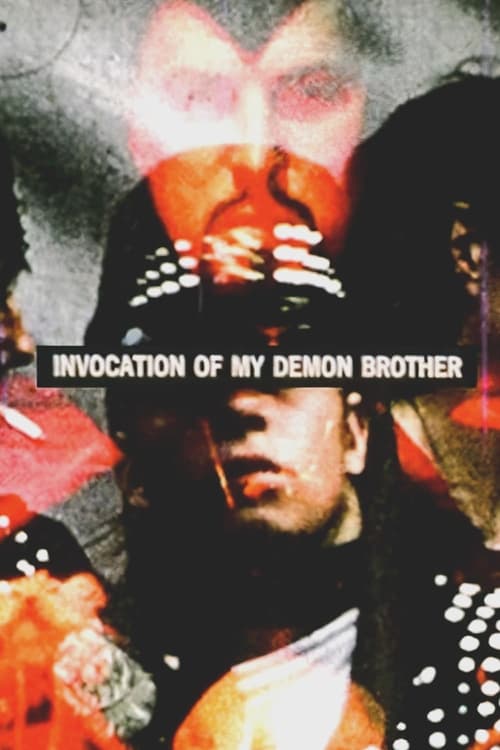
The shadowing forth of Our Lord Lucifer, as the Power of Darkness gather at a midnight mass. The dance of the Magus widdershins around the Swirling Spiral Force, the solar swastika, until the Bringer of Light—Lucifer—breaks through.
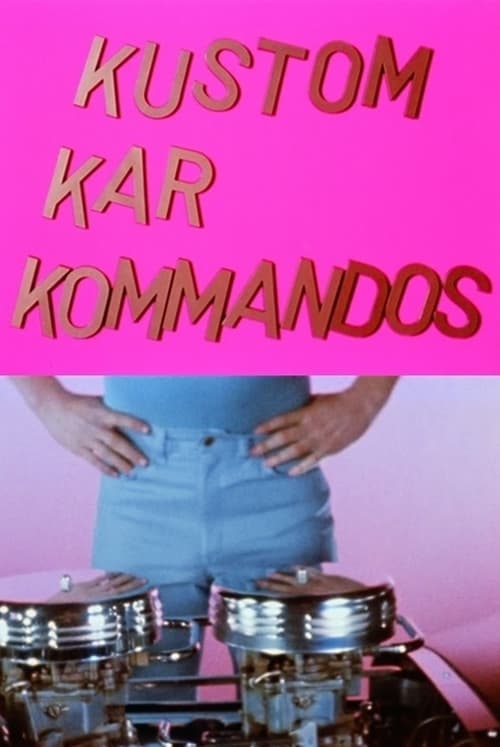
A man in tight jeans buffs his car to the strains of The Paris Sisters' "Dream Lover".
Lucifer Rising
Lucifer Rising is a short film by director Kenneth Anger. The film was completed in 1972 and starred British singer Marianne Faithfull, but only widely distributed in 1980. The film's soundtrack was composed by Bobby Beausoleil.
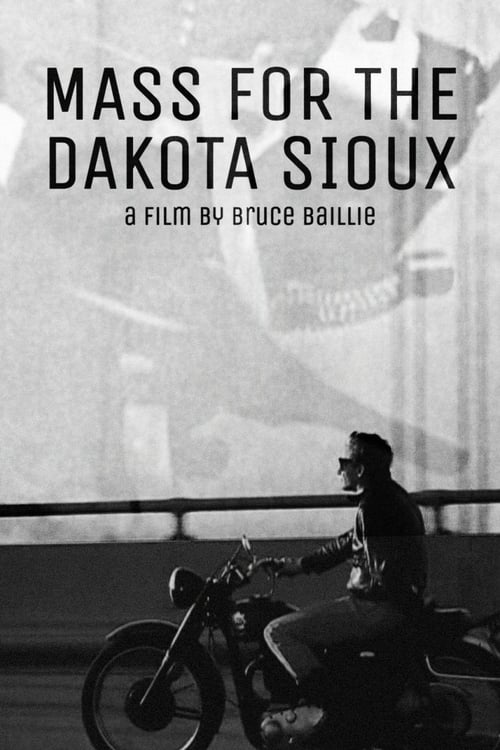
An experimental film dedicated to the Dakota Sioux, which follows the form of the Christian Mass. A series of images of contemporary America interwoven with the ritual spiriting away of a dead Indian.
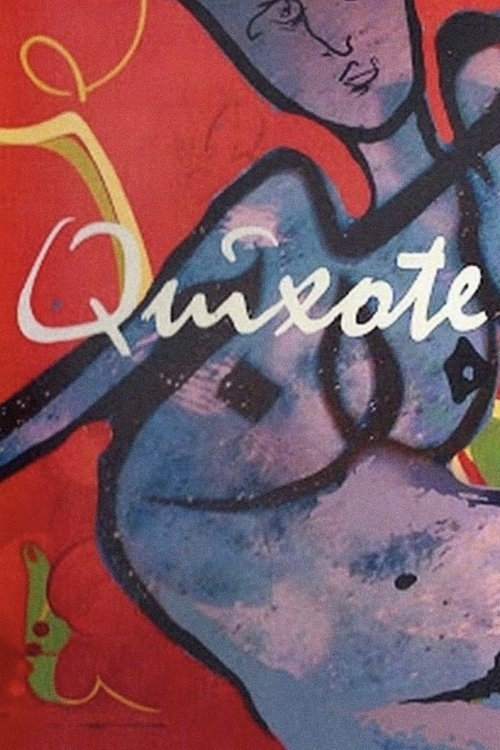
Quixote
Co-founder of Canyon Cinema and the San Francisco Cinematheque and one of the godparents of experimental film, Bruce Baillie (1931-2020) has forged a singular path in his visionary explorations of the world, his exquisite treatment of light and fragmented storytelling influencing successive generations of like-minded filmmakers. Shot on a cross-...
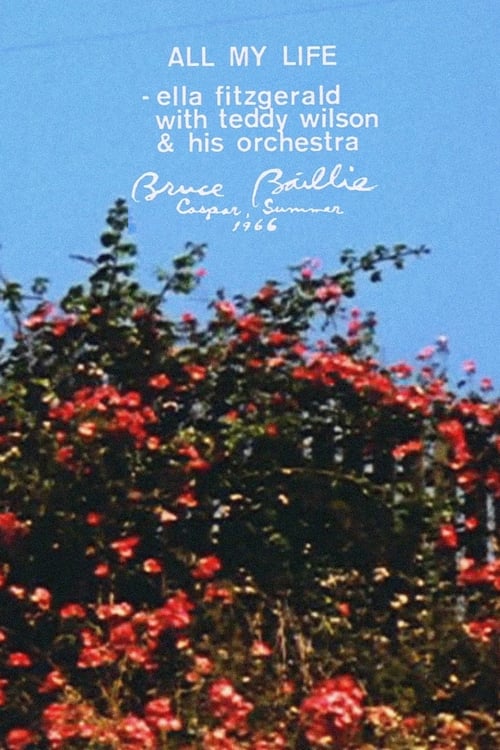
All My Life
The film is made up of one single take. The camera pans to the left, focusing on a dilapidated fence in a rural field, as Ella Fitzgerald's "All My Life" plays on the soundtrack. At the end of the 3 minute film, the camera tilts up to the blue sky just as the song ends.

Castro Street
Inspired by a lesson from Erik Satie, a film in the form of a street: Castro Street, running by the Standard Oil Refinery in Richmond, California.
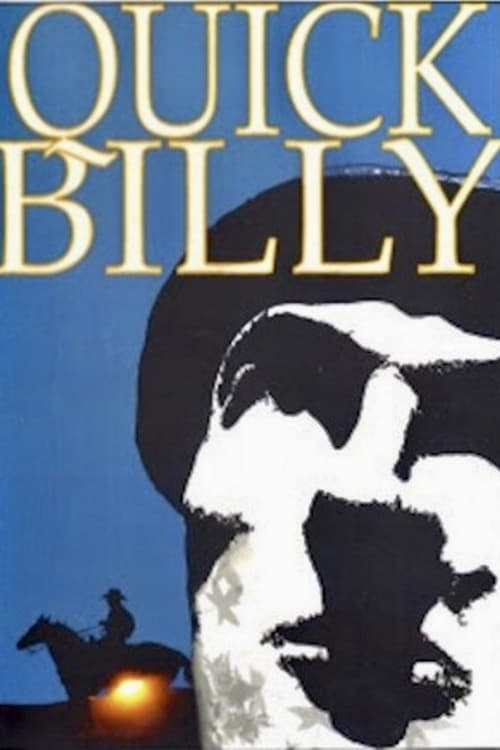
Quick Billy
A psychedelic montage of home movie footage gives way to a silent western story.

Skin, eyes, knees, horses, hair, sun, earth. Old song of Mexican hero, Valentin, sung by blind Jose Santollo Nadiso en Santa Cruz de la Soledad.
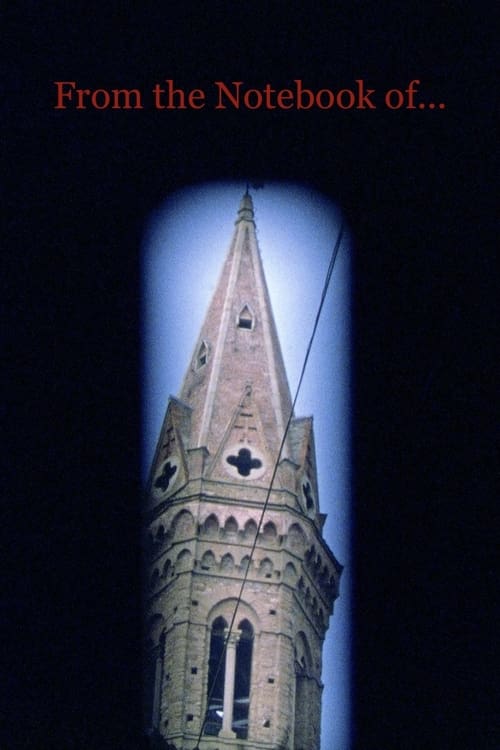
Shot in Florence, the film draws on Leonardo da Vinci’s notebooks and Paul Valéry’s essay on da Vinci’s creative process to explore parallels between Renaissance space and the moving image. Beavers employs rapid pans and tilts along the city’s facades, interspersed with glimpses of his own face, linking camera movement to the filmmaker’s investi...
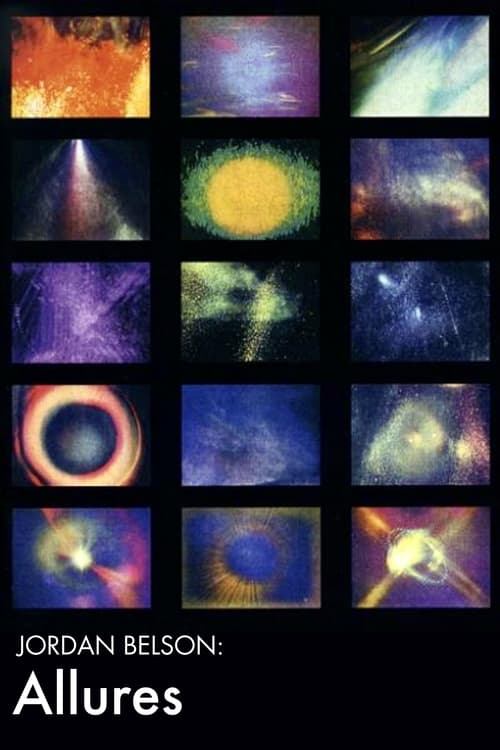
Allures
Allures is a spectacular sequence of moving figures and points, a film which reaches out to the cosmic and the spiritual, where the spatial dimension becomes transcendental.
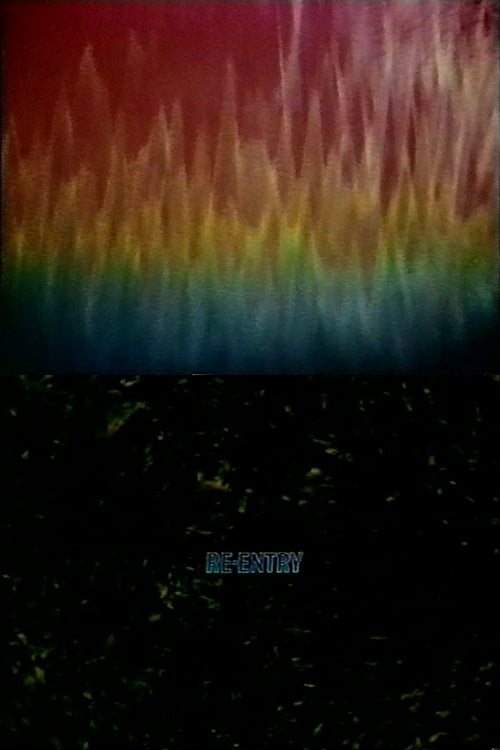
Re-entry
"In Re-entry he successfully synthesizes the Yogic and the cosmological elements in his art for the first time by forcefully abstracting and playing down both of them..." P. Adams Sitney
Samadhi
Samadhi is both mystical and mysterious, an incredible fusion of movement, sound and colour. Belson notes the influence of his study and practice of Yoga and Tibetan Buddhism on the creation of Samadhi. The film is inspired by the principles of yogic meditation: the movement of consciousness towards samadhi (union of subject and object), the fus...
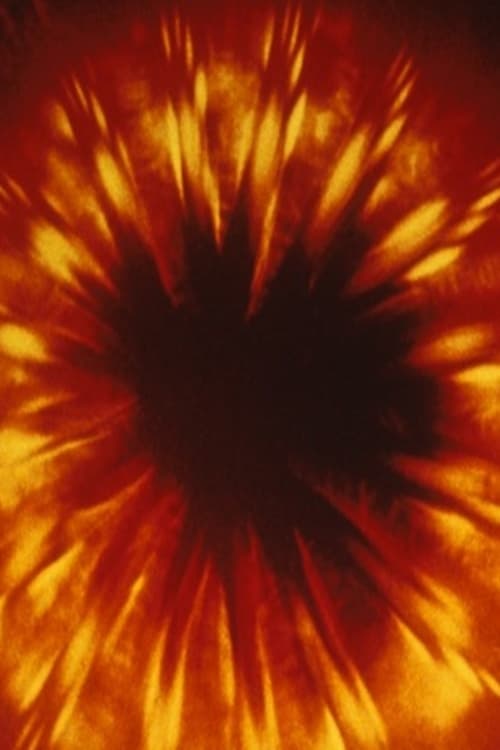
Momentum
"Momentum is Belson's most serene and gentle film since Allures. This treatment of the sun as an almost dreamlike hallucinatory experience is both surprising and curiously realistic." -Gene Youngblood
Phenomena
Approach the work "...As though you were approaching earth as a god, from cosmic consciousness [...] You see the same things but with completely different meaning." -JB.
Cosmos
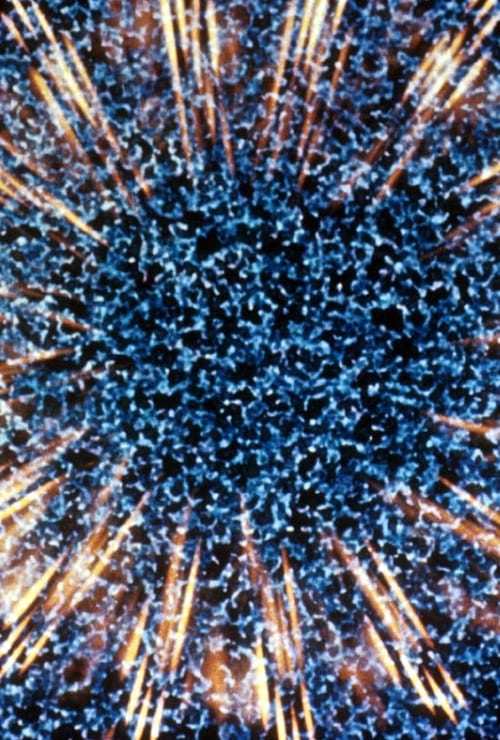
The shifting, abstract color imagery of Jordan Belson's "Cosmos," which unfurls to electronic sound, is attributed in the program notes to the artist's insight from experience with drugs and yoga. - The New York Times
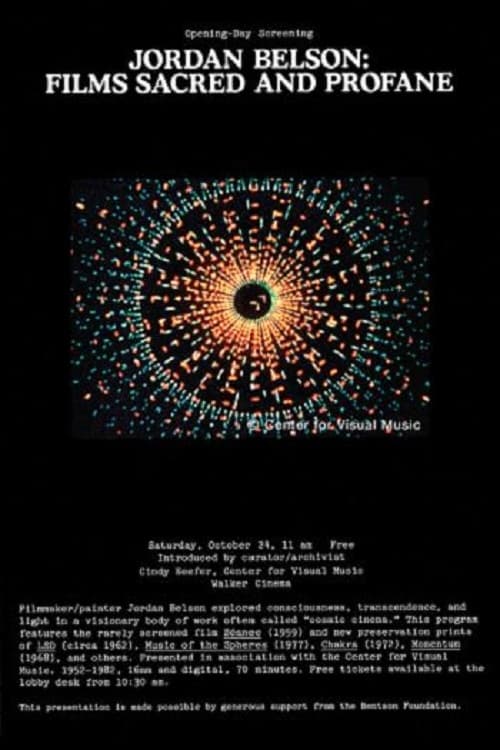
Chakra
"In Chakra, I was able to transfer the traditional order of the chakras into a film, starting with the first (lower) chakra and working up to the seventh (top) chakra…" - Jordan Belson


Desistfilm
Four young men and a young woman sit in boredom. She smokes while one strums a lute, one looks at a magazine, and two fiddle with string. The door opens and in comes a young man, cigarette between his lips, a swagger on his face. The young woman laughs. As the four young men continue disconnected activities, the other two become a couple. When t...
A series of terrifying dramas of male-female relationships offset against the background of a New York tenement. Preserved by the Academy Film Archive in partnership with The Film Foundation in 2012.
The Wonder Ring
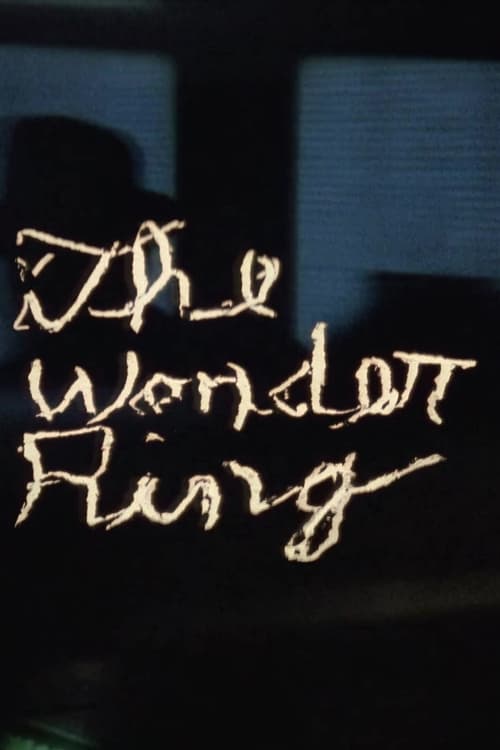
An important early film by Stan Brakhage, which Joseph Cornell commissioned as a record of New York's Third Avenue elevated train before it was torn down. Curiously lacking in people, the film focuses on the rhythms of the ride and reflections in train windows, finding a real-world version of the superimpositions Brakhage would later create in t...
Flesh of Morning
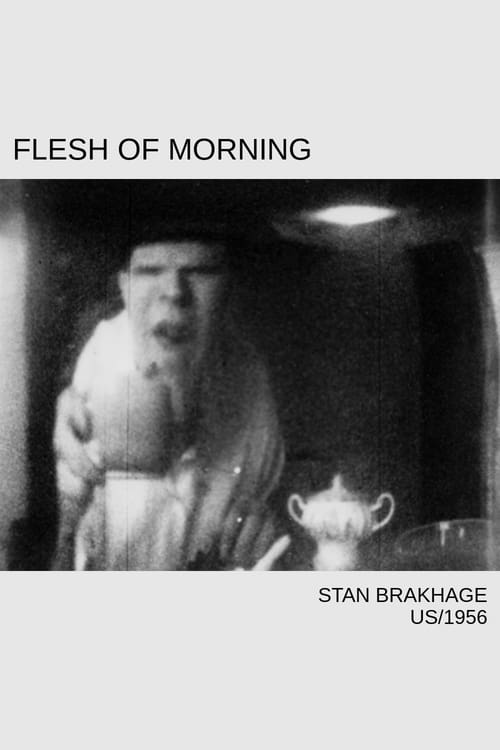
Short B/W film about the textures of the human skin and household objects, showing Brakhage in the morning as reality distorts around him. Revised in 1986.
Daybreak
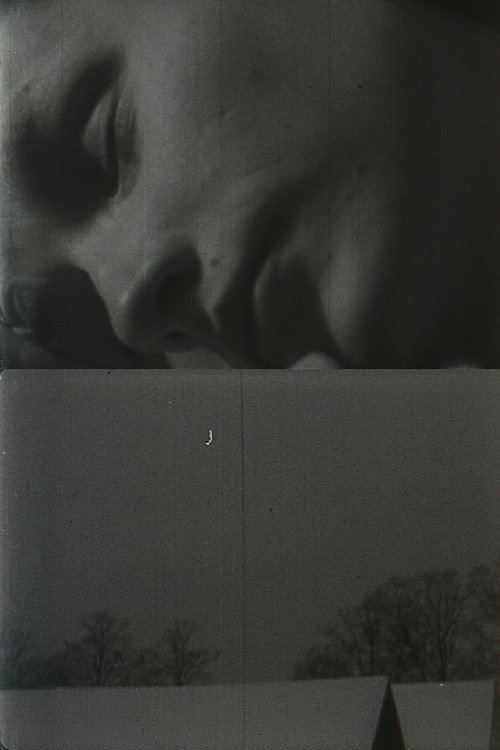
These two films investigate frustrations in loving, DAYBREAK with a girl as object, WHITEYE with the camera as subject. Preserved by the Academy Film Archive in 2013.
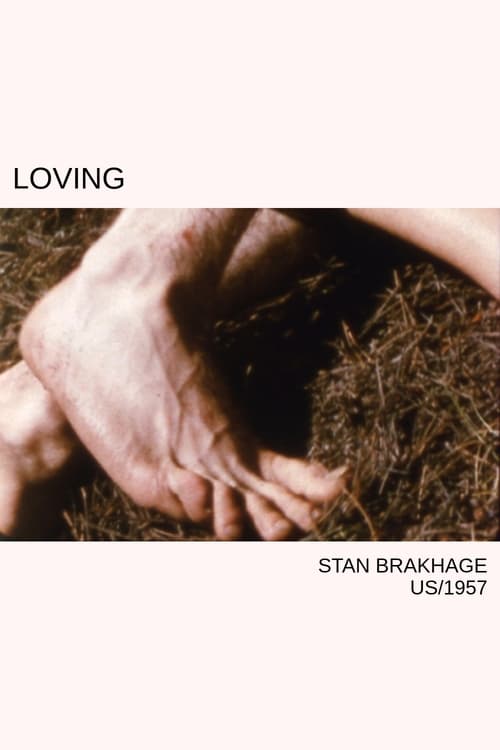
Loving
In Loving (1957), a couple make love in the sun and their optic system flares -- it's really the nervous system's ecstasy -- in oranges and yellows and whites. - Stan Brakhage. Preserved by the Academy Film Archive in partnership with The Film Foundation in 2009.
First person view of a man, seen only in shadow, attempting to connect with the world around him. Preserved by the Academy Film Archive in 2013.
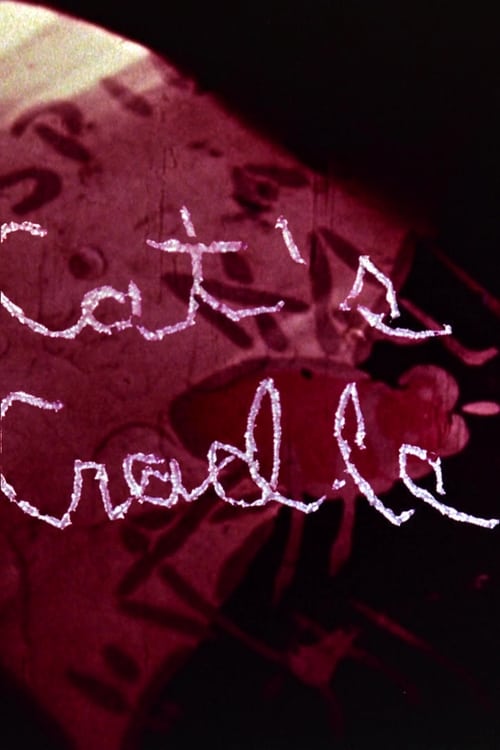
Cat's Cradle
Images of two women, two men, and a gray cat form a montage of rapid bits of movement. A woman is in a bedroom, another wears an apron: they work with their hands, occasionally looking up. A man enters a room, a woman smiles. He sits, another man sits and smokes. The cat stretches. There are close-ups of each. The light is dim; a filter accentua...
A tribute to Stan Brakhage's pet dog Sirius, whose decompostion was recorded over 6 months after he had died. Preserved by the Academy Film Archive in partnership with The Film Foundation in 2010.
On a winter's day, a woman stretches near a window then sits in a bathtub of water. She's happy. Her lover is nearby; there are close ups of her face, her pregnant belly, and his hands caressing her. She gives birth: we see the crowning of the baby's head, then the birth itself; we watch a pair of hands tie off and cut the umbilical cord. With t...
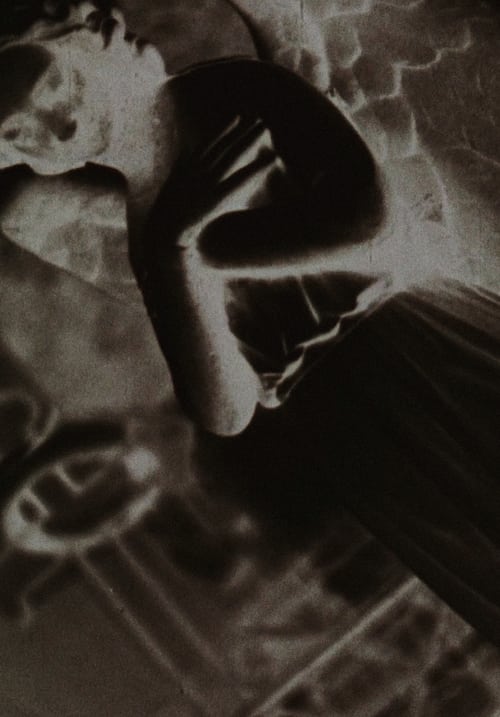
The Dead
"The Dead became my first work in which things that might very easily be taken as symbols were so photographed as to destroy all their symbolic potential. The action of making The Dead kept me alive." Preserved by the Academy Film Archive in partnership with The Film Foundation in 2013.
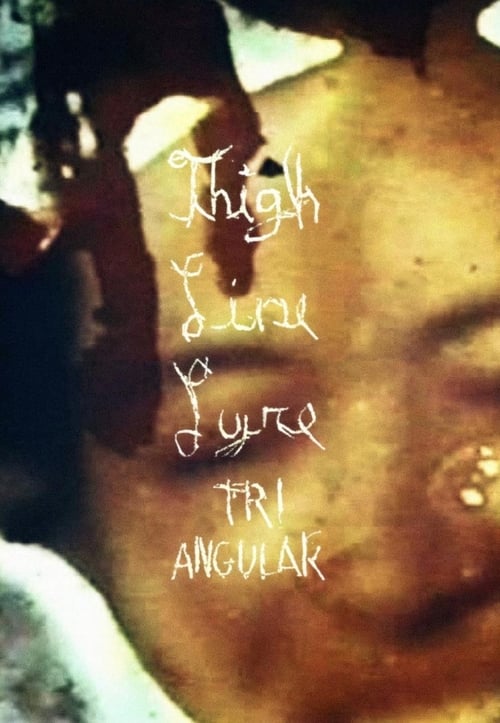
Only at a crisis do I see both the scene as I've been trained to see it ( that is, with Renaissance perspective, three-dimensional logic–colors as we've been trained to call a color a color, as so forth) and patterns that move straight out from the inside of the mind through the optic nerves... spots before my eyes, so to speak... and it's very ...
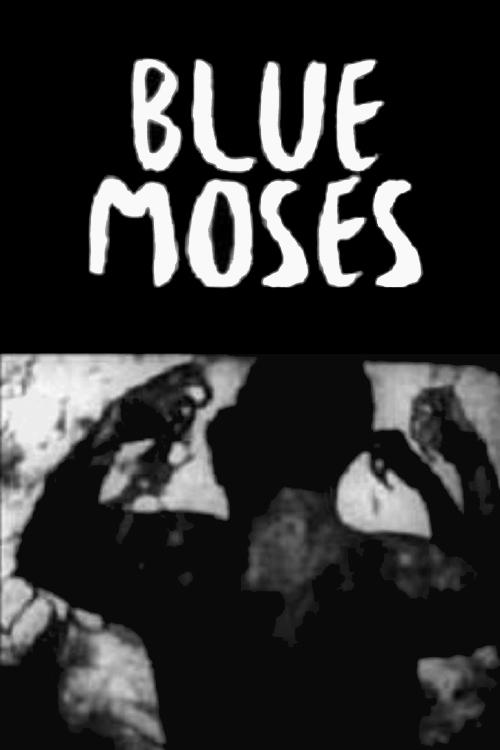
Blue Moses
One of the few Brakhage films featuring spoken dialogue and a central character, this sly and bitter polemic pits an actor (poet? director?) against an unseen audience. Preserved by the Academy Film Archive in 2007.
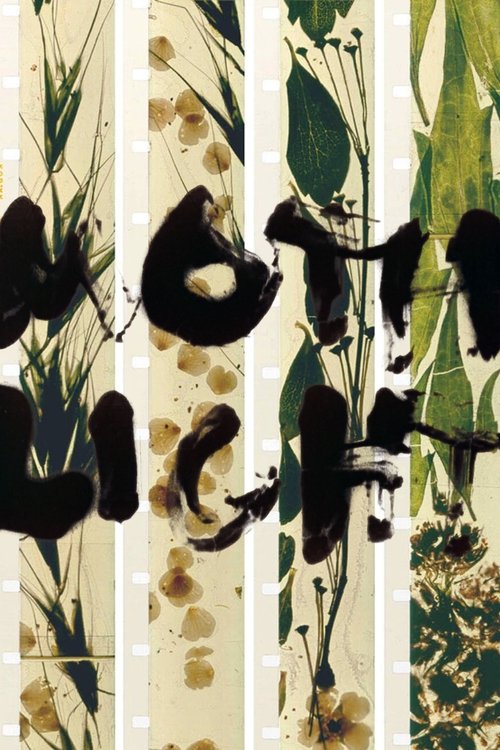
Mothlight
Seemingly at random, the wings and other bits of moths and insects move rapidly across the screen. Most are brown or sepia; up close, we can see patterns within wings, similar to the veins in a leaf. Sometimes the images look like paper cutouts, like Matisse. Green objects occasionally appear. Most wings are translucent. The technique makes them...
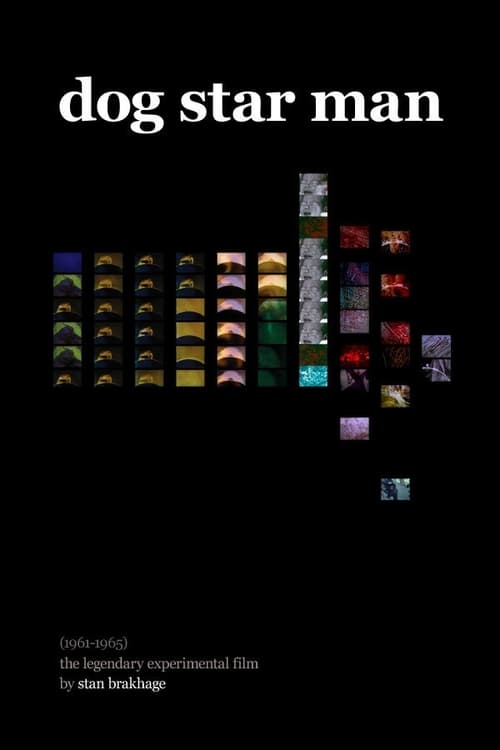
Dog Star Man
Experimental film following a cycle of seasons as well as the stretch of a single day as a man and his dog slowly ascend a mountain.
Song 1
SONG 1: Portrait of a lady (the Songs are a cycle of silent color 8mm films by the American experimental filmmaker Stan Brakhage produced from 1964 to 1969).

Song 2
SONGS 2 & 3: Fire and a mind’s movement in remembering (the Songs are a cycle of silent color 8mm films by the American experimental filmmaker Stan Brakhage produced from 1964 to 1969).
Song 3
SONGS 2 & 3: Fire and a mind’s movement in remembering (the Songs are a cycle of silent color 8mm films by the American experimental filmmaker Stan Brakhage produced from 1964 to 1969).
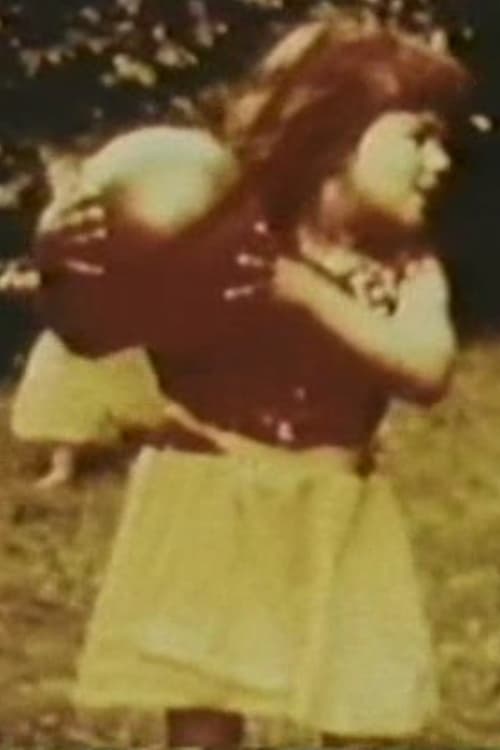
Song 4
SONG 4: Three girls playing with a ball. Hand painted (the Songs are a cycle of silent color 8mm films by the American experimental filmmaker Stan Brakhage produced from 1964 to 1969).

Song 5
SONG 5: A childbirth song (the Songs are a cycle of silent color 8mm films by the American experimental filmmaker Stan Brakhage produced from 1964 to 1969).

Song 6
SONG 6: The painted veil via moth-death (the Songs are a cycle of silent color 8mm films by the American experimental filmmaker Stan Brakhage produced from 1964 to 1969).
Song 7
SONG 7: San Francisco (the Songs are a cycle of silent color 8mm films by the American experimental filmmaker Stan Brakhage produced from 1964 to 1969).

Song 8
SONG 8: Sea Creatures. The Songs are a cycle of silent color 8mm films by the American experimental filmmaker Stan Brakhage produced from 1963 to 1969.