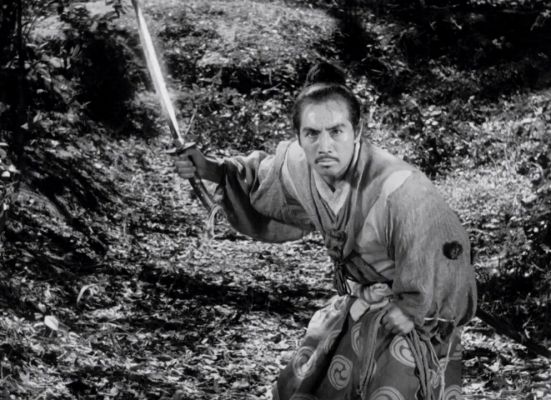
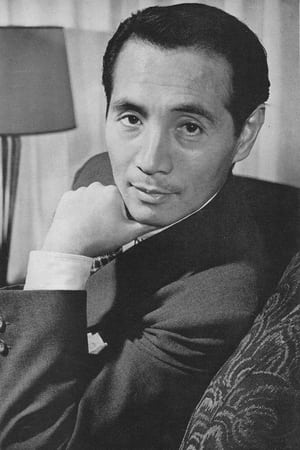
Masayuki Mori
From Wikipedia, the free encyclopedia. Masayuki Mori (森 雅之 Mori Masayuki, January 13, 1911 – October 7, 1973) Born in Sapporo, Hokkaido prefecture) was a Japanese actor, the son of Takeo Arishima, a Japanese novelist active during the late Meiji and Taishō periods. Mori... Read full bio →
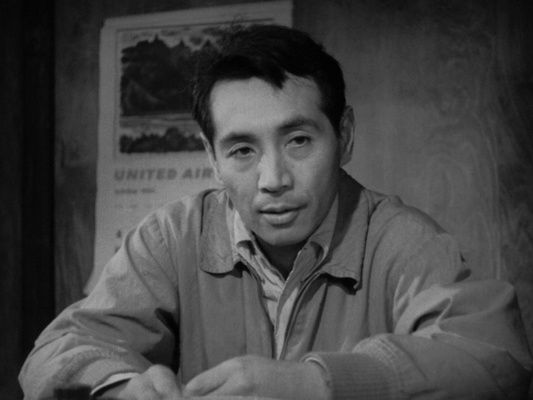
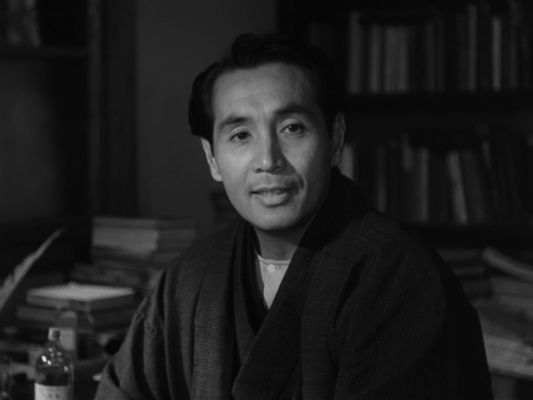
Featured Characters
Roles you can spot in Whatthemovie snapshots
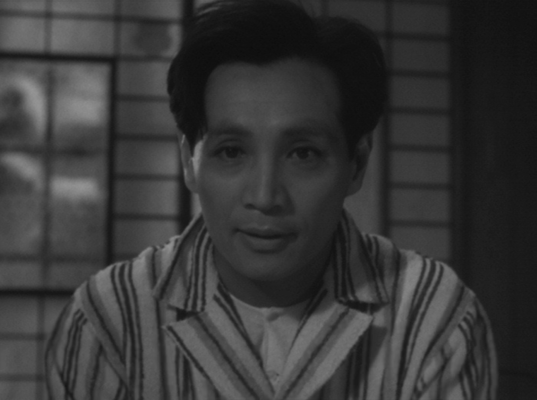
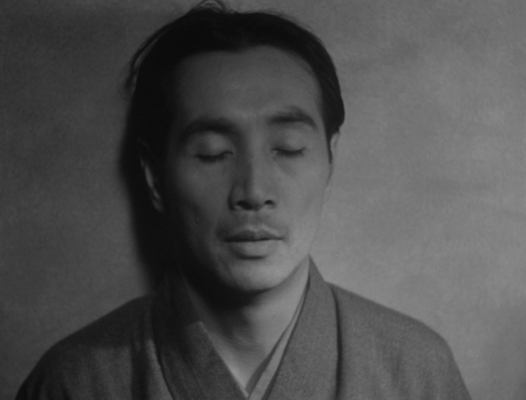
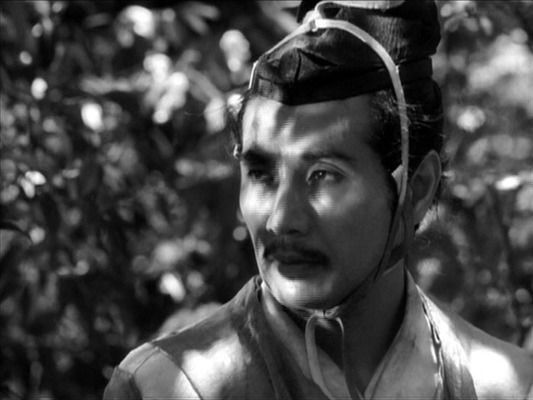
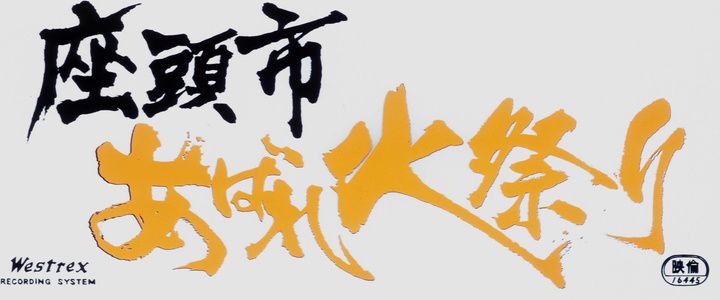
Zatôichi abare-himatsuri
Zatoichi is mentored by the blind leader of a secret organization as he contends with both the Yakuza and a jealous husband.
Taiheiyô hitoribocchi
Kenichi Horie is determined to challenge his family, the law and the nature crossing the Pacific to America in a small sailboat. Despite his careful planning many unforeseen events will test his determination.
Bushidô zankoku monogatari
After a salary-man's fiancée attempts suicide, he recounts his gruesome family history which saw generations of his ancestors suffer and sacrifice themselves for the sake of their cruel lords.
Tsuma to shite onna to shite
The real mother of the two children of a respectable university professor is not his wife, but his mistress, the hostess of a Ginza bar the family frequents.
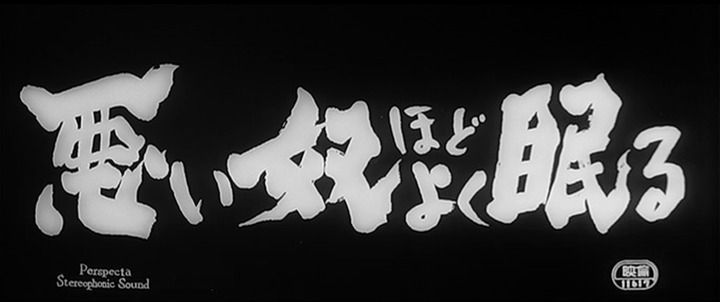
Warui yatsu hodo yoku nemuru
A young executive hunts down his father’s killer. Continuing his legendary collaboration with actor Toshiro Mifune, Kurosawa combines elements of Hamlet and American film noir to chilling effect in exposing the corrupt boardrooms of postwar corporate Japan.
Otouto
Set in 1926 when Japanese tradition was much stronger, this standard drama looks at the inner workings of a small family, especially the relationship between a sister and brother.
Onna ga kaidan wo agaru toki
Keiko, whom everyone calls Mama, narrates her story: she's a hostess on the Ginza, 30, a widow. She describes life's vicious cycle: acting cheerful around drunks, dressing and living well to convey confidence, needing money for these expenses and for her demanding mother and brother, and knowing she's growing older.
Musume tsuma haha
Sanae is left a widow after her prestigious husband dies, but holds the proceeds of a million yen insurance policy. Being childless, her former in-laws have no objection to her return to her own family.
Fûsen
Haruki Murakami is a successful family man and the head of a camera company. Unbeknownst to Murakami, his arrogant son oscillates between a mistress and a new lover who sings at a nightclub. When Murakami’s daughter befriends the mistress, the affair throws the family into turmoil.
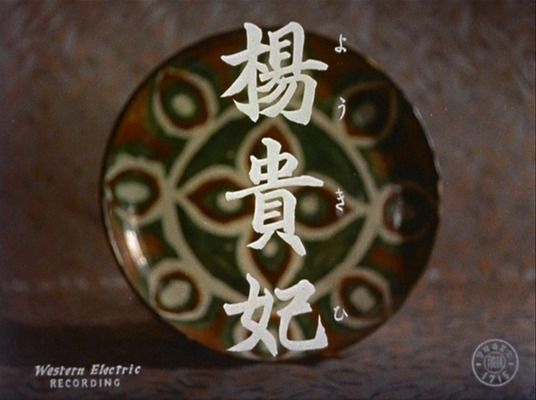
Yôkihi
In 8th-century China, the Emperor grieves the death of his wife. The Yang family wants to provide the Emperor with a consort so that they may consolidate their court influence. General An Lushan finds a distant relative working in their kitchen, whom they groom to present to the Emperor.
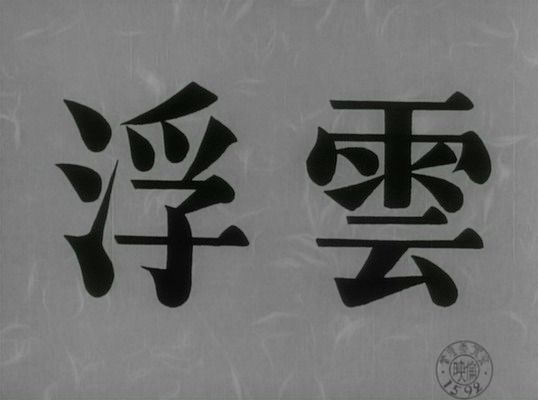
Ukigumo
This film is based on flashbacks, which I'll ignore here for the sake of clarity. Married Japanese forester during WWII is sent to Indochina to manage forests. He meets a young Japanese typist and promises to leave his wife. He doesn't and after the war, she turns up and the affair resumes.
Kokoro
In the dying months of the Meiji era, a sympathetic student befriends a married couple, but soon realizes they share a curiously strained relationship stemming from an unknown incident in their past.
Chibusa yo eien nare
Fumiko, mother of two and wife to an unfaithful man, shares her family life with her budding vocation as a poet. The beginning of her successful literary career coincides with her divorce and her breast cancer diagnosis. In her final stages, Fumiko meets a young journalist from Tokyo who wants to write a story on her experiences.
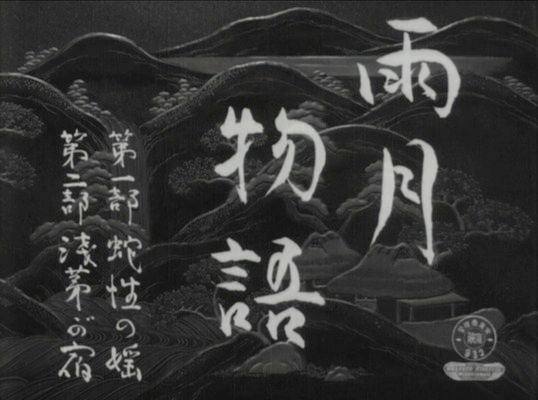
Ugetsu monogatari
In the civil wars of 16th century Japan, two ambitious peasants want to make their fortunes. The potter Genjuro intends to sell his wares for vast profits in the local city, while his brother-in-law Tobei wishes to become a samurai.
Koibumi
A sad and troubled man finds a new job five years after the end of WWII, where he writes love letters for other people.
Ani imôto
The eldest daughter of a rural family Mon returns home from Tokyo pregnant after an affair with a college student Kobata, which causes a scandal that will threaten the marriage prospects of the younger sister San, in her cash-strapped family.
Hakuchi
Kameda, who has been in an asylum on Okinawa, travels to Hokkaido. There he becomes involved with two women, Taeko and Ayako. Taeko comes to love Kameda, but is loved in turn by Akama. When Akama realizes that he will never have Taeko, his thoughts turn to murder, and great tragedy ensues.
Rashômon
In ancient Japan a crime take place as told from three different travelers who have experienced the crime: a man being killed and his wife being raped. Which if any of the stories is true? A Akira Kurosawa film about morals, truth, and communication.
Anjô-ke no butôkai
After Japan's defeat in the war, the Anjo family lose their peerage and wealth. Since their mansion is due to pass into the hands of a creditor, the family holds one last ball before leaving.
Zoku Sugata Sanshirô
In this government-suggested sequel, Sugata again grows as a judo master, and demonstrates his (and by extension, all Japanese) superiority to the foreign warrior.
Tora no o wo fumu otokotachi
Yoshitsune Minamoto, disguised with his retinue as monks, must make do with a comical porter as their guide through hostile territory en route to safety.