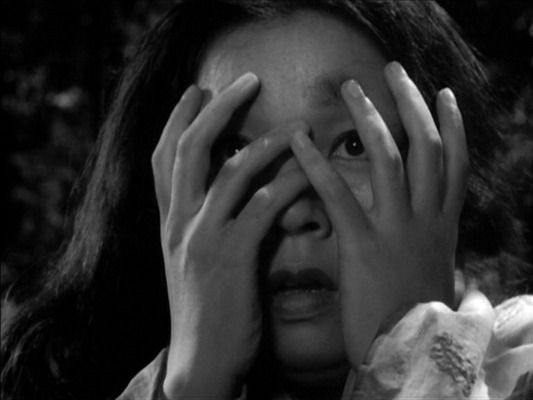

Machiko Kyō
Machiko Kyō (Japanese: 京 マチ子 Hepburn: Kyō Machiko, March 25, 1924 – May 12, 2019) was a Japanese actress whose film work occurred primarily during the 1950s. She rose to extraordinary domestic praise in Japan for her work in two of the greatest Japanese films of the 20th... Read full bio →
Featured Characters
Roles you can spot in Whatthemovie snapshots


Rashômon
1950




Otoko wa tsurai yo: Torajirô junjô shishû
When Tora-san's infatuation with his nephew's school teacher causes family turmoil, he leaves on his travels again. When he returns, he falls in love with the teacher's mother.
Tanin no kao
A businessman with a disfigured face obtains a lifelike mask from his new doctor, but the mask starts altering his personality and causing him to question his identity.
Ruten no ôhi
Pu Zhe, younger brother of the Emperor of Manchukuo, marries Ryuko, daughter of an aristocratic family. To the surprise of all, a deep love between Pu Zhe and Ryuko develops and is put to the test when Japan loses the war.
Ukikusa
A theater troupe master's visit with his old flame unintentionally sets off a chain of unexpected events with devastating consequences.
Kagi
A man getting on in years sets out to find a way to resurrect his flagging virility.
The Teahouse of the August Moon
In post-WWII Japan, an American captain is brought in to help build a school, but the locals want a teahouse instead.
Akasen chitai
Follows five sex workers employed at a Japanese brothel while the nation debates the passage of an anti-prostitution law.
Yôkihi
In 8th-century China, the Emperor grieves the death of his wife. The Yang family wants to provide the Emperor with a consort so that they may consolidate their court influence. General An Lushan finds a distant relative working in their kitchen, whom they groom to present to the Emperor.
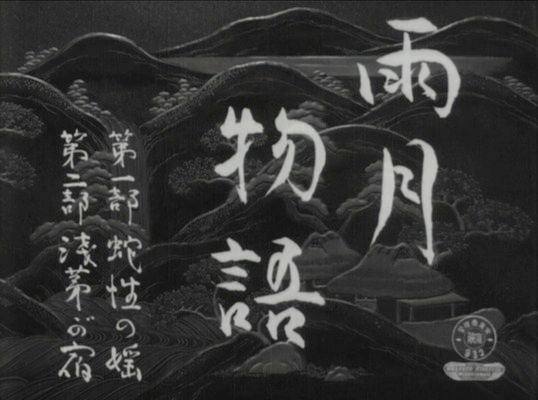
Ugetsu monogatari
In the civil wars of 16th century Japan, two ambitious peasants want to make their fortunes. The potter Genjuro intends to sell his wares for vast profits in the local city, while his brother-in-law Tobei wishes to become a samurai.
Jigokumon
Japan, 1159. Moritō, a brave samurai, performs a heroic act by rescuing the lovely Kesa during a violent uprising. Moritō falls in love with her, but becomes distraught when he finds out that she is married.
Ani imôto
The eldest daughter of a rural family Mon returns home from Tokyo pregnant after an affair with a college student Kobata, which causes a scandal that will threaten the marriage prospects of the younger sister San, in her cash-strapped family.
Rashômon
In ancient Japan a crime take place as told from three different travelers who have experienced the crime: a man being killed and his wife being raped. Which if any of the stories is true? A Akira Kurosawa film about morals, truth, and communication.