
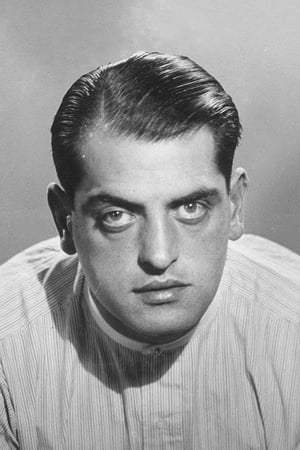
Luis Buñuel
Luis Buñuel Portolés (Spanish: [ˈlwis βuˈɲwel poɾtoˈles]; 22 February 1900 – 29 July 1983) was a Spanish filmmaker who worked in France, Mexico, and Spain. He has been widely considered by many film critics, historians, and directors to be one of the greatest and most... Read full bio →
Featured Characters
Roles you can spot in Whatthemovie snapshots
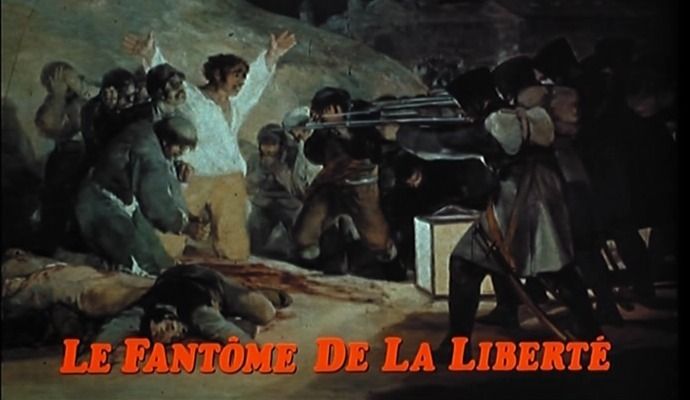


Le fantôme de la liberté
This Surrealist film, with a title referencing the Communist Manifesto, strings together short incidents based on the life of director Luis Buñuel. Presented as chance encounters, these loosely related, intersecting situations, all without a consistent protagonist, reach from the 19th century to the 1970s.
La voie lactée
Two tramps going on a pilgrimage to Santiago de Compostela in Spain, meet different christian heresies. They meet too the Marquis of Sade.
Belle de jour
A bored wife of a wealthy doctor spends her afternoons exploring exciting escapades as a call-girl in a chic Paris brothel.
Les orgueilleux
Life in a small Mexican village where joy and misery, hope and pain, passion and guilt, love and decay, life and death are mixed in the peasants life and two French citizens who end up stranded in there, during a typhoid epidemic.
L'âge d'or
The film consists of a series of tightly interlinked vignettes, the most sustained of which details the story of a man and a woman who are passionately in love. Their attempts to consummate their passion are constantly thwarted, by their families, by the Church and bourgeois society in general.
Un chien andalou
Luis Buñuel and Salvador Dalí present 16 minutes of bizarre, surreal imagery.
Mauprat
Mauprat was adapted into a silent film with the same title by French director Jean Epstein in 1926. Luis Buñuel was assistant director on this film; it was his first film credit.