
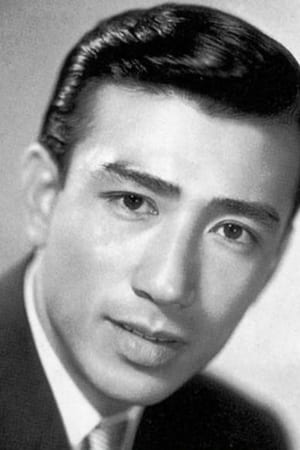
Keiji Sada
Keiji Sada was a Japanese actor. He won the award for Best Actor at the 7th Blue Ribbon Awards for Anata Kaimasu (I Will Buy You) and Taifū Sōdōki (Typhoon). He was the father of the actor Kiichi Nakai. Sada is primarily known for starring in Ozu films, especially in the 1950s... Read full bio →
Featured Characters
Roles you can spot in Whatthemovie snapshots





Sanma no aji
Shuhei Hirayama is a widower with a 24-year-old daughter. Gradually, he comes to realize that she should not be obliged to look after him for the rest of his life, so he arranges a marriage for her.
Eien no hito
A young woman is forced by circumstance into a loveless marriage while still in love with another. This episodic tale follows their story through three decades of bitter conflict which engulfs their children and those around them.
Chi wa kawaiteru
An insurance company employee threatens suicide after a massive layoff is announced by the management. The company takes advantage of his threat by turning it into an advertising campaign.
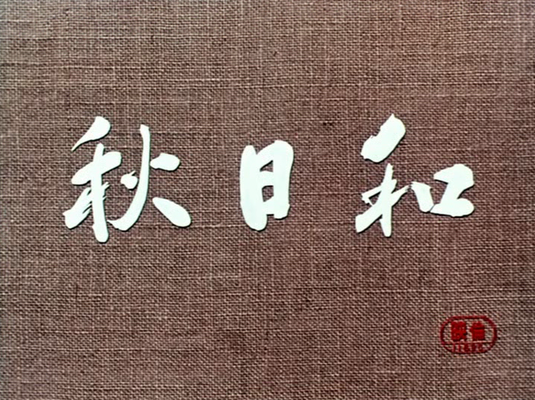
Akibiyori
A widow tries to marry off her daughter with the help of her late husband's three friends.
Ohayô
Two boys beg their parents for a television set, nagging them until all patience is lost. The parents order the boys to be quiet and the boys do exactly that--refusing to utter a word. The boys' silence ultimately puts the whole neighborhood into turmoil.
Ningen no jôken (II)
As a conscript in war-time Japan's military, a pacifist struggles to maintain his determination to keep his ideals.
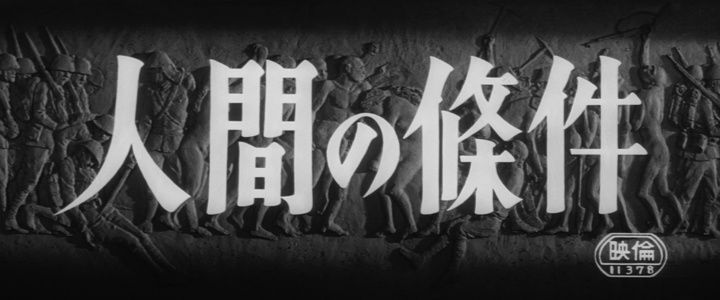
Ningen no jôken (I)
The Human Condition is a Japanese epic film trilogy made between 1959 and 1961. The trilogy follows the life of Kaji, a Japanese pacifist and socialist, as he tries to survive in the fascist and oppressive world of WWII-era Japan. No Greater Love (1959) opens with Kaji marrying his sweetheart Michiko despite his misgivings about the future.
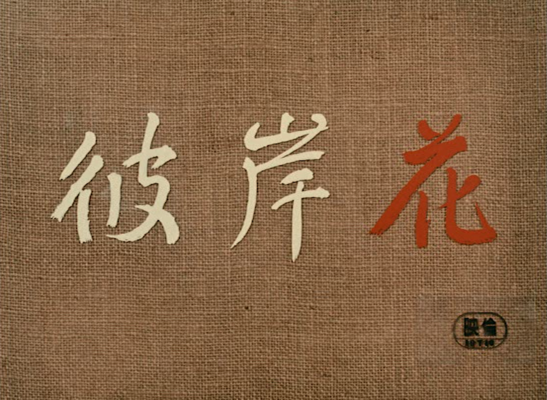
Higanbana
Later in his career, Ozu started becoming increasingly sympathetic with the younger generation, a shift that was cemented in Equinox Flower, his gorgeously detailed first color film, about an old-fashioned father and his newfangled daughter.
Anata kaimasu
A talent scout moves sharply, dead-set on signing a promising athlete to the baseball team the Toyko Flowers.
Karumen kokyô ni kaeru
A girl who had left her home village for life in Tokyo returns to her home years later, and evokes a scandal when the locals discover that she's a stripper.
Ojôsan kanpai
A matchmaker looks to unite a young woman from a wealthy Tokyo family with the humble owner of an auto garage.