Jean Rouch
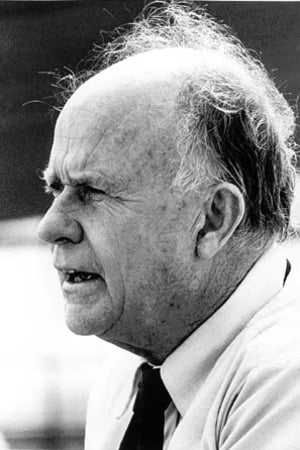
Jean Rouch (French: [ʁuʃ]; 31 May 1917, Paris – 18 February 2004, Niger) was a French filmmaker and anthropologist. He is considered to be one of the founders of cinéma-vérité in France, which shared the aesthetics of the direct cinema. Rouch's practice as a filmmaker for... Read full bio →
Featured Characters
Roles you can spot in Whatthemovie snapshots

Mes entretiens filmés
This distinctly personal journey into the artistic possibilities of independent film is not to be missed.
Jean Epstein, Young Oceans of Cinema
This portrait of the French film theorist and avant-garde director Jean Epstein (1897-1953) concentrates on the period when he filmed in Brittany, the spot where he became inspired by the sea. Using rare archive footage, Jean Epstein, Young Oceans of Cinema also looks at Epstein’s views on the specificity of the film medium.
Les films rêvés
Belgian filmmaker Eric Pauwels' meditation on dream, travel and film.
Le fils de Gascogne
You're a provincial kid in Paris and suddenly you're the center of attention: Movie stars, famous directors and sexy women are doting on you because they all think you're the son of their long-dead legendary friend. You never knew your dad, but the facts of this famous guy's life suggest that he might have fathered you.
Cinématon
Cinématon is a 156-hour long experimental film by French director Gérard Courant. It was the longest film ever released until 2011.
Le joli mai
Candid interviews of ordinary people on the meaning of happiness, an often amorphous and inarticulable notion that evokes more basic and fundamentally egalitarian ideals of self-betterment, prosperity, tolerance, economic opportunity, and freedom.
Chronique d'un été (Paris 1960)
The film begins with a discussion between Rouch and Morin on whether or not it is possible to act sincerely in front of a camera. A cast of real life individuals are then introduced and are led by the filmmakers to discuss topics on the themes of French society and happiness in the working class.
Les maîtres fous
The subject of the film was the Hauka movement. The Hauka movement consisted of mimicry and dancing to become possessed by French Colonial administrators. The participants performed the same elaborate military ceremonies of their colonial occupiers, but in more of a trance than true recreation.