
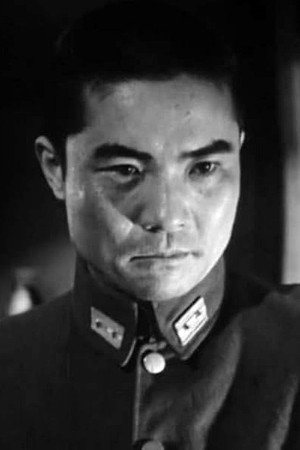
Akitake Kōno
Akitake Kōno (河野 秋武 Kōno Akitake, 8 October 1911 – 17 March 1978) was a Japanese film actor. He appeared in more than sixty films from 1943 to 1973. Kōno started acting with the Zenshinza theater troupe before joining the Toho studio in 1942. Mostly a character actor, he... Read full bio →
Featured Characters
Roles you can spot in Whatthemovie snapshots


Ken
1964





Chôeki Tarô: Mamushi no kyôdai
After spending several years in prison, yakuza punk Masa (Bunta Sugawara) and his underling, Katsuji (Tamio Kawachi) are back out in the mean streets of Kobe to make a name for themselves amongst the local yakuza organization.
Mekurano Oichi monogatari: Makkana nagaradori
A young girl named Oichi is abandoned by her mother and blinded by a lightning strike. When her guardian is killed, she learns to wield a sword from a traveling ronin. As she develops into a master swordsman, her profession becomes that of a bounty hunter. Many test her sword and many die by her skills.
San-nin no bakuto
Three closely associated gamblers have adventures in Yokohama, Hokkaido, and Macao. Gambling trio endure hardships to rescue Naojiro’s family.
Zatoichi sekisho yaburi
Blind swordsman/masseuse Zatoichi befriends a young woman looking for her father, a village leader who has disappeared. As he helps her investigate the disappearance, Zatoichi also becomes involved with another young woman who is trying to help her brother, who has murdered someone at about the same time and place as the missing man was last seen.
Ken
The Sword (Ken?) is a 1964 Japanese film directed by Kenji Misumi. From a screenplay by Kazuro Funabashi, based upon the short story Ken (Sword) by Yukio Mishima. The story is centered on Kokubu Jiro (Raizo Ichikawa), a prominent member of his university's Kendo dojo.
Ningen no jôken (I)
The Human Condition is a Japanese epic film trilogy made between 1959 and 1961. The trilogy follows the life of Kaji, a Japanese pacifist and socialist, as he tries to survive in the fascist and oppressive world of WWII-era Japan. No Greater Love (1959) opens with Kaji marrying his sweetheart Michiko despite his misgivings about the future.
Bakumatsu taiyôden
Saheji, a man-about-town, gets stuck at a high-class brothel when he can’t pay the bill. He makes the best of his situation by performing various tasks amidst the tumult of the end of the shogunate—but always by making sure to get a “commission” for his troubles.
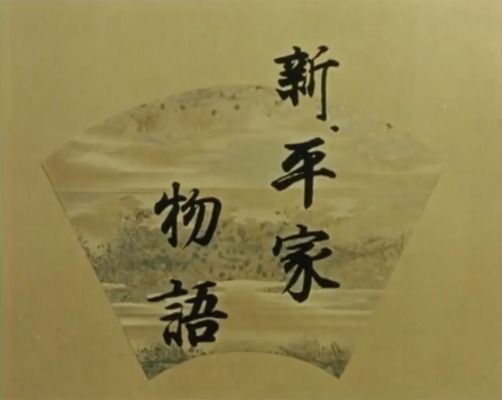
Shin heike monogatari
Japan, 1137. The Taira family, a samurai clan, becomes involved in the disputes between Emperor Toba and the monks of Mount Hiei.
Sanshô dayû
In 11th-century feudal Japan, following the exile of an idealistic governor, his wife and children are separated by slave traders; the children, Zushio and Anju, are sold into brutal servitude under the cruel bailiff Sansho.
Waga seishun ni kuinashi
After her anti-fascist professor father is dismissed, Yukie navigates love, political repression, and wartime upheaval—ultimately forging her own path in pre- and post-WWII Japan.
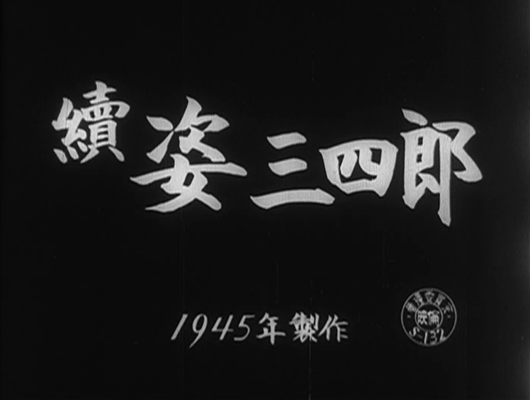
Zoku Sugata Sanshirô
In this government-suggested sequel, Sugata again grows as a judo master, and demonstrates his (and by extension, all Japanese) superiority to the foreign warrior.
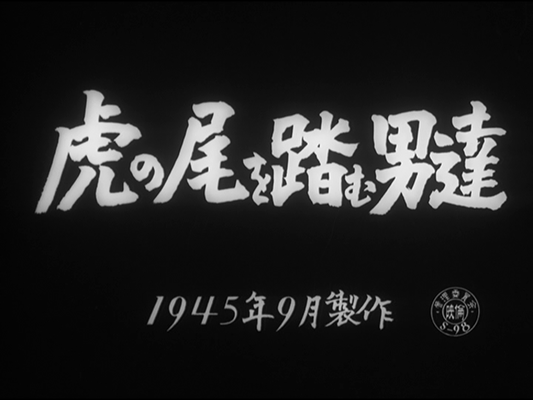
Tora no o wo fumu otokotachi
Yoshitsune Minamoto, disguised with his retinue as monks, must make do with a comical porter as their guide through hostile territory en route to safety.
Ichiban utsukushiku
The stories of several young women who work in a 'precision optical instruments' factory during the second World War. Despite illness, injury, and tremendous personal hardship, the women persevere in their tasks, devoted to their work and their country's cause.
Sugata Sanshirô
The story of Sanshiro, a strong stubborn youth, who travels into the city in order to learn Jujutsu. However, upon his arrival he discovers a new form of self-defence: Judo. The main character is based on Shiro Saigo, a legendary judoka.